
Cusco or Sacred Valley First? Altitude, Trains & Routes
Compare starting in Cusco or the Sacred Valley, with altitude, arrival timing, the Ollantaytambo train and sample 2-, 4- and 6-day routes.
 By J. José Rodríguez, Founder / CEO
Should you begin in Cusco or continue to the Sacred Valley? The answer depends on when your flight lands, how you respond to altitude, where you plan to board the train and how many days you have. Cusco sits at about 3,400 m above sea level. The Sacred Valley is generally lower, with towns such as Urubamba and Ollantaytambo around 2,700–2,900 m. That difference can influence how the first evening feels, but it is not a medical guarantee against altitude illness.
Think about the whole sequence before choosing a hotel: airport arrival, rest, local visits, train departure, Machu Picchu entry time and the return to Cusco or onward travel. A route that looks shorter on a map may involve a tiring drive or a risky connection. The examples below show how the order can work over two, four or six days.
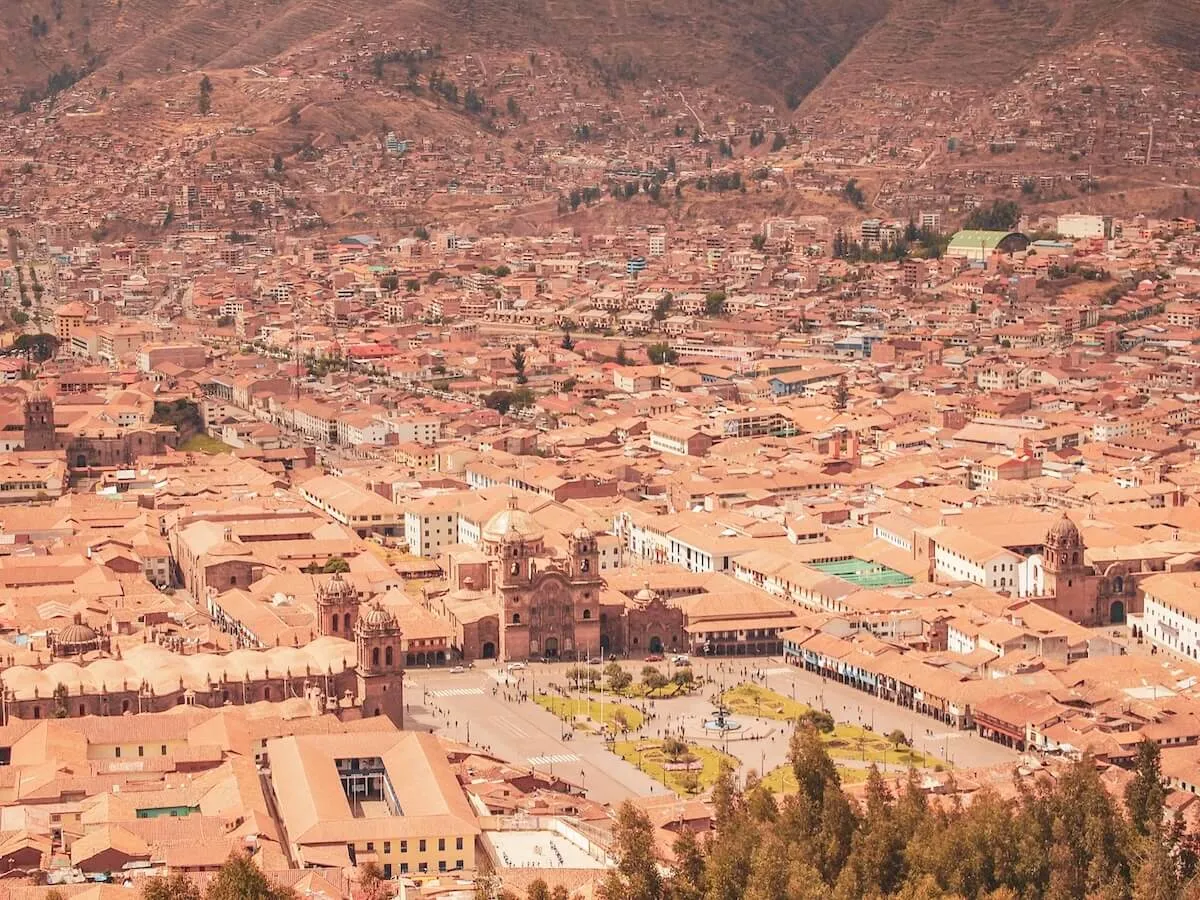
Start in Cusco: city first, then the valley
Staying in Cusco first works well when you arrive early enough to check in, eat and rest, or when the city itself is a priority. You can keep the first afternoon light, then explore the historic center and nearby Inca sites after a night’s sleep. Cusco also offers a wide range of restaurants and services, and it can be convenient if your accommodation or onward transport is based there.
The main trade-off is elevation. Cusco is higher than the Sacred Valley, so do not treat arrival day as a normal sightseeing day. Fatigue, headache or poor sleep can make a packed walking tour unpleasant. Build in rest, take it easy with exertion and seek medical advice for health questions. If you are arriving late or feel unwell, postpone strenuous activity.
From Cusco, reaching Ollantaytambo for a train usually involves a road transfer through the valley. The drive often takes about 1.5–2 hours, but actual time depends on traffic, weather and pickup location. If your train leaves early, consider sleeping in the Sacred Valley the night before rather than relying on a rushed cross-region transfer.
Start in the Sacred Valley: a gentler first stop
Going directly to the Sacred Valley can make sense when your flight arrives with enough daylight and road margin, or when your itinerary departs by train from Ollantaytambo. The lower elevation may feel more comfortable to some travelers, and a night in Urubamba or Ollantaytambo can reduce backtracking. It also lets you visit valley sites before continuing toward Machu Picchu.
Do not book a close train connection after an arriving flight. Allow for aircraft delays, immigration, baggage collection, meeting your driver and the drive from the airport. If a missed train would disrupt the whole trip, spend the first night near the airport or in Cusco and travel to the valley later. Ask the operator to confirm the station, transfer duration and contingency plan in writing.
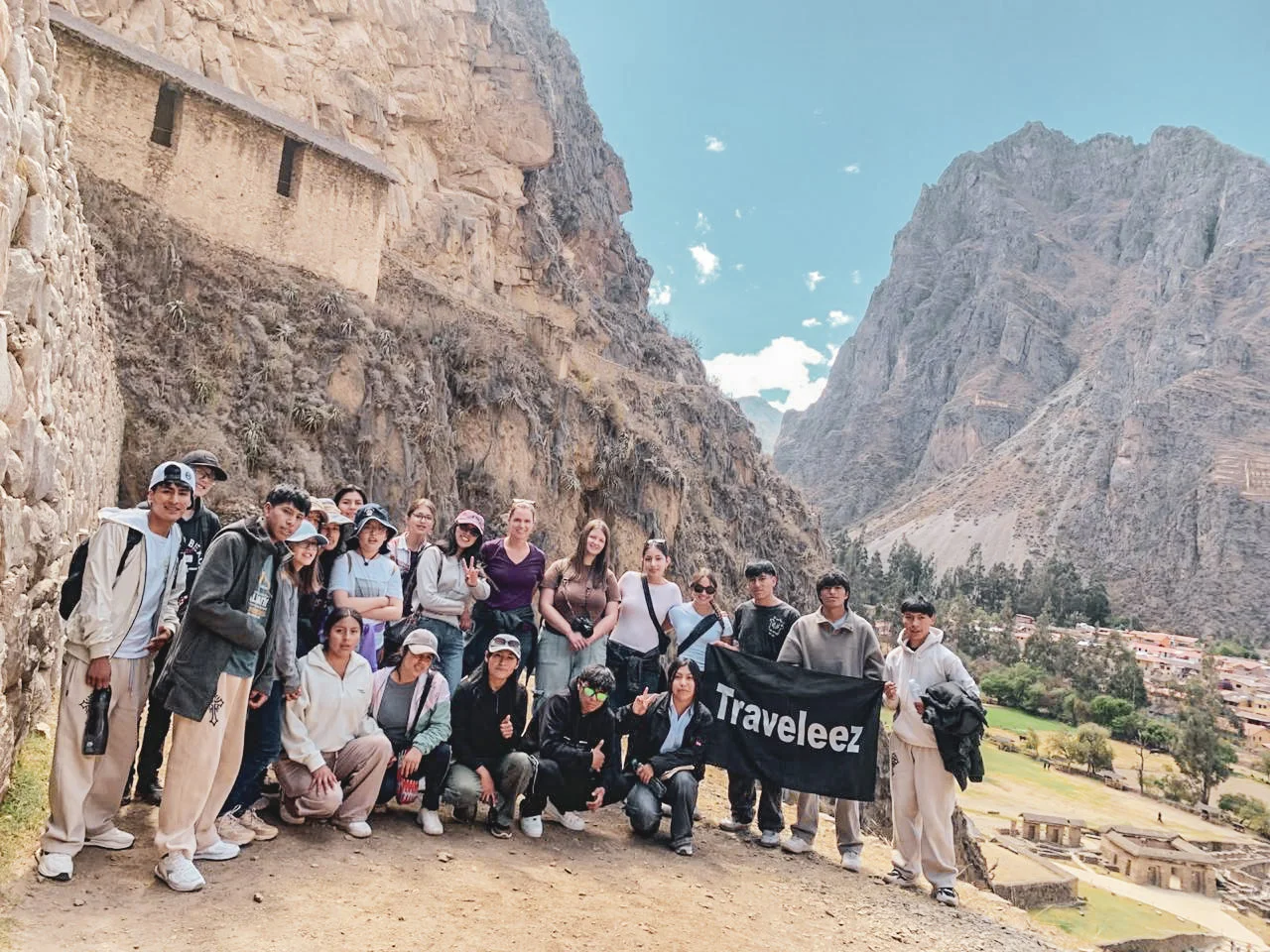
Why Ollantaytambo matters for the train
Ollantaytambo is both a town with its own Inca archaeological site and a major departure point for trains to Machu Picchu Pueblo, also called Aguas Calientes. The train journey is commonly around 1.5–2 hours, following the Urubamba River into the cloud forest. Exact duration and departure station depend on the operator and service shown on your ticket.
The station is not in Cusco’s city center. A Cusco-to-Ollantaytambo transfer is a separate road leg, so compare the full journey rather than the train duration alone. Other rail services may operate from different stations or on different schedules. Confirm the place and time you need to board, the road pickup location and the amount of time between each leg.
Ollantaytambo lets you explore the town and ruins before the train, subject to opening hours. Urubamba is another base but adds a station transfer, so choose around your booked train and hotel.
Sample route: two days
Two days is a compact plan for travelers whose priority is Machu Picchu. On Day 1, travel from Cusco toward Ollantaytambo, with a direct transfer or a short valley stop if time allows. Take the train to Aguas Calientes and stay overnight. On Day 2, go to the entrance for your ticketed time, visit the circuit with or without a guide, then return by bus, train and road transfer.
This leaves limited time for the wider region and can still be a full schedule. Compare the Sacred Valley and Machu Picchu 2 Days itinerary with the Machu Picchu 2-Day Tour. Check whether each option includes a valley visit, hotel, meals, train, entrance ticket, shuttle bus and guide; inclusions are not identical across tours.
Sample route: four days
Four days allow you to connect Cusco, the Sacred Valley and Machu Picchu without trying to see everything in a single transfer day. One possible structure is: Day 1, arrive in Cusco and rest; Day 2, take a guided Sacred Valley route and overnight in or near Ollantaytambo; Day 3, travel by train to Aguas Calientes and stay overnight; Day 4, visit Machu Picchu and return to Cusco.
The order depends on flights and tickets: some travelers visit Cusco first, while others continue to the valley after a suitable arrival. The Cusco and Machu Picchu 4 Days package is one multi-stop example. Confirm included valley sites and the final transfer point.
Sample route: six days
Six days give more room for acclimatization and for separating sightseeing from travel. For example: Day 1, arrive and rest in Cusco; Day 2, explore the city at a gentle pace; Day 3, visit the Sacred Valley and overnight near Ollantaytambo; Day 4, take the train to Aguas Calientes; Day 5, visit Machu Picchu and return to Cusco; Day 6, keep a buffer or add a regional excursion before departure.
Another six-day plan can add a second valley night, a trek or more time in Cusco. Compare the Cusco and Machu Picchu 6 Days itinerary with your flights, hotel nights and transfer times. Keep the final day light before an international departure.
Altitude, arrival time and realistic margins
Cusco’s elevation is higher than the Sacred Valley and Machu Picchu. A lower first overnight may be preferable for some visitors, but individual responses vary and altitude illness can occur at different elevations. No itinerary can guarantee acclimatization. Rest after arrival, keep the first activities light, and consult a clinician about personal risks, especially if you have a relevant medical condition.
Arrival time is just as important as elevation. A morning flight with reliable onward transport is different from a late arrival, a delayed connection or a long-haul journey. Include time for baggage, airport pickup and road travel. When taking a train from Ollantaytambo, protect the departure with a comfortable buffer. On the return, avoid connecting the train directly to a flight unless the operator and airline explicitly confirm the timing is workable.
Which order should you choose?
Choose Cusco first for city time, rest or a late arrival. Choose the Sacred Valley first if you have a comfortable transfer window, want a lower first overnight or depart by train from Ollantaytambo. A mixed route works well when you have four or more days.
Before booking, write down your flight arrival, first hotel, train station and departure time, Machu Picchu entry slot, overnight locations and return plan. Then add realistic road and station margins. Connecting Cusco, the Sacred Valley and Machu Picchu is less about finding one universally correct order and more about making the transitions fit your actual dates and energy.
For a valley-first route, compare the Sacred Valley Tour and Sacred Valley and Machu Picchu 2 Days. If you want extra time in the region, the Cusco and Machu Picchu 4 Days and Cusco and Machu Picchu 6 Days itineraries show two longer structures. Other add-ons include Maras & Moray and Rainbow Mountain; trekkers can compare the Classic Inca Trail and Salkantay Trek.
Tours
Plan this with a local team
Cusco day tour
Sacred Valley Tour
Full-day tour of the Sacred Valley of the Incas with buffet lunch and every entrance fee included. Classic or Maras & Moray route.

Machu Picchu journey
Sacred Valley & Machu Picchu
Choose the Sacred Valley route via Pisac or Chinchero, then visit Machu Picchu. Train, hotel, buffet lunch, all tickets and guide included.

Machu Picchu journey
Cusco & Machu Picchu 4 Days
Cusco city tour, Sacred Valley and Machu Picchu in 4 days. Hotels, trains, guides, transfers and every entrance ticket included.
Frequently asked questions
Quick answers
Should I stay in Cusco or the Sacred Valley first?
Choose based on arrival time, altitude comfort and your route. Cusco offers city access; the Sacred Valley is lower and can reduce backtracking to Ollantaytambo.
Is the Sacred Valley lower than Cusco?
Yes. Cusco is about 3,400 m above sea level, while many Sacred Valley towns are roughly 2,700–2,900 m. Exact elevation depends on the town and accommodation.
Can I go straight to Ollantaytambo after landing in Cusco?
It may be possible if your flight arrives with enough margin, but allow for delays, baggage and the road journey. Avoid a tight train connection after a flight.
How long is the train from Ollantaytambo to Machu Picchu Pueblo?
The journey is commonly around 1.5–2 hours, depending on the service and timetable. Check the train shown on your ticket.
Is it better to take the train from Ollantaytambo or Cusco?
Ollantaytambo is a common departure station and is reached by road from Cusco. Available stations and services vary by date, so compare the complete transfer plan.
How many days should I allow for Cusco, the Sacred Valley and Machu Picchu?
Two days can cover a compact visit, while four or six days allow more time for acclimatization and regional stops. Match the route to your arrival and departure times.
Should I visit the Sacred Valley before Machu Picchu?
It can be a practical sequence, especially if you plan to board the train at Ollantaytambo. The best order depends on tickets, lodging and the rest of your itinerary.
Will staying in the Sacred Valley prevent altitude sickness?
No. A lower first overnight may feel more comfortable for some travelers, but it cannot prevent altitude illness. Follow medical advice and allow time to acclimatize.