
destinations
The Sacred Valley of the Incas
The Sacred Valley of the Incas: where it is, the best sites (Pisac, Ollantaytambo, Chinchero, Moray, Maras), how to visit, tickets and where to stay.
The Sacred Valley of the Incas is the valley of the Urubamba River between the towns of Pisac and Ollantaytambo, about 1–2 hours from Cusco. It was the Incas’ most fertile farmland and is lined with terraces, temples and Andean villages. At around 2,800–3,000 m, it is lower and warmer than Cusco, and Ollantaytambo is where the train to Machu Picchu begins.
The Sacred Valley at a glance
| Location | Urubamba River valley, northeast of Cusco |
| Altitude | About 2,800–3,000 m on the valley floor |
| Main towns | Pisac, Calca, Urubamba, Ollantaytambo, Chinchero |
| From Cusco | About 1 hour to Pisac; 2 hours to Ollantaytambo |
| Tickets | Cusco Tourist Ticket for Pisac, Ollantaytambo, Chinchero and Moray; separate fee for Maras |
| Time needed | 1–2 days |
The main sites
Pisac
Spectacular agricultural terraces sweep down the mountainside below an Inca ceremonial center with fine stone temples and a vast cemetery carved into the cliffs. In the town below, the artisan market is busiest on Sundays, Tuesdays and Thursdays.
Ollantaytambo
An Inca fortress and temple complex climbs the hillside above the only Inca town still lived in today, with its original stone streets and water channels. It was also the site of a rare Inca victory against the Spanish. Ollantaytambo station is the main departure point for the train to Machu Picchu.
Chinchero
A high village of weavers above the valley, where local cooperatives show how wool is spun, dyed with plants and woven by hand. It also has Inca terraces and a colonial church built on Inca foundations.
Moray
Huge circular terraces sink into the ground like an amphitheater. Researchers believe the Incas used the different levels, each with its own temperature, to study and adapt crops.
The Maras salt mines
Thousands of small salt pools step down a mountainside, fed by a salty spring. Local families still harvest salt here as they have for centuries. The view is best in the dry season.
How to visit
- Full-day tour from Cusco: Pisac, a buffet lunch, Ollantaytambo and Chinchero, or the extended route with Maras and Moray. See our Sacred Valley Tour.
- On the way to Machu Picchu: visit the valley and take the evening train from Ollantaytambo, as in Sacred Valley & Machu Picchu 2 Days.
- Stay in the valley: spend two nights to explore slowly and acclimatize, as in Cusco & Machu Picchu 4 Days.
Where to stay
Urubamba and its countryside have quiet hotels and lodges, from simple guesthouses to resorts with gardens and mountain views. Ollantaytambo is ideal for an early train to Machu Picchu. Read our guide to Machu Picchu hotels.
Best time to visit
The dry season, from April to October, brings sunny days and the best views of the salt mines and terraces. In the rainy season the valley is lush and green, with fewer visitors. Read about the best time to visit Machu Picchu.
Tours to link
Plan this with a local team
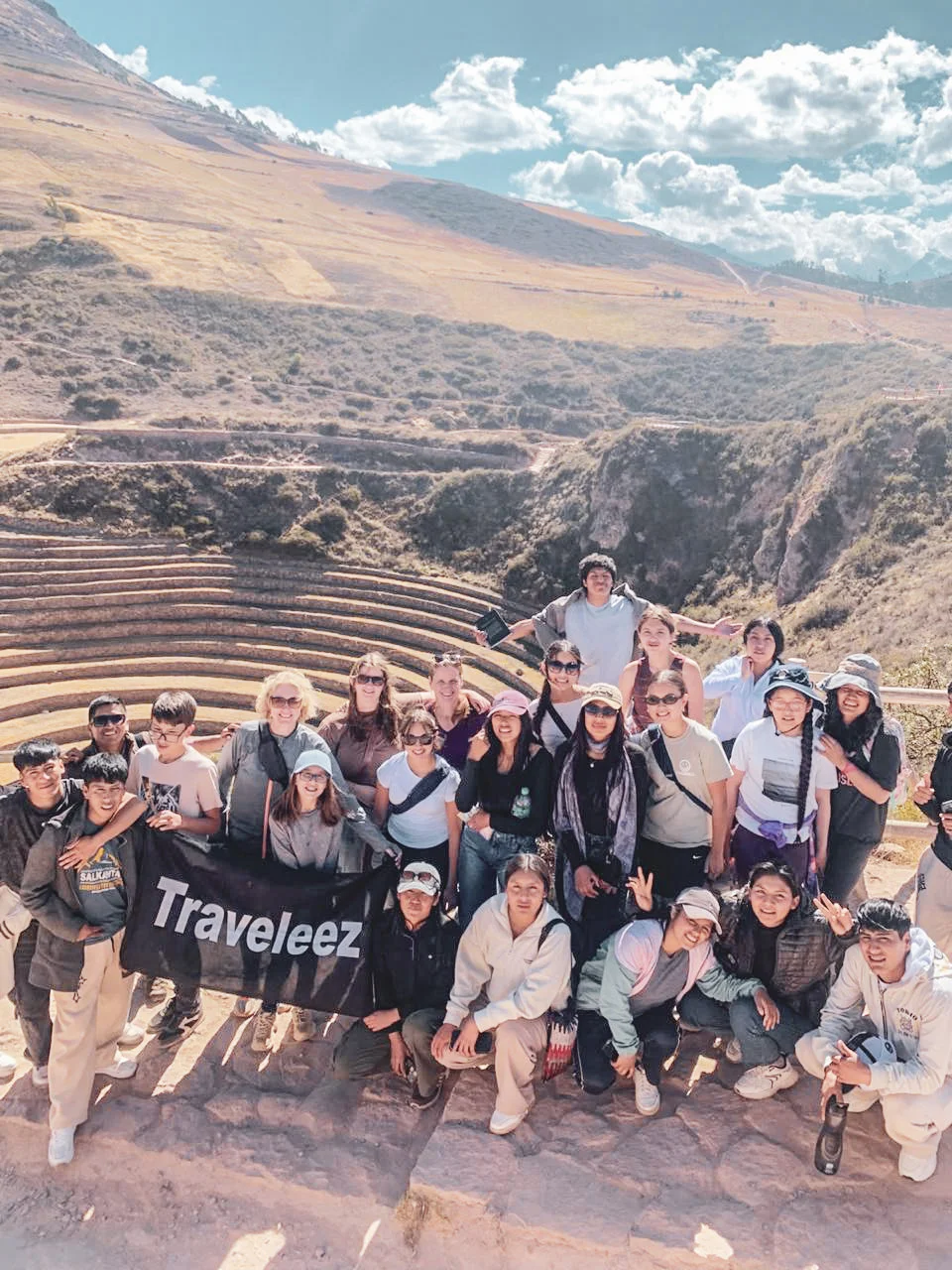
Cusco day tour
Sacred Valley Tour
Full-day tour of the Sacred Valley of the Incas with buffet lunch and every entrance fee included. Classic or Maras & Moray route.

Machu Picchu journey
Sacred Valley & Machu Picchu
Pisac, Ollantaytambo and Machu Picchu in 2 days. Train, hotel, buffet lunch, every entrance ticket and guide included. Private option available.

Machu Picchu journey
Cusco & Machu Picchu 4 Days
Cusco city tour, Sacred Valley and Machu Picchu in 4 days. Hotels, trains, guides, transfers and every entrance ticket included.
Frequently asked questions
Quick answers
How far is the Sacred Valley from Cusco?
About 1 hour by road to Pisac or Chinchero, and about 2 hours to Ollantaytambo.
How many days do I need in the Sacred Valley?
One full day covers the main sites. Two days let you add Maras and Moray at a relaxed pace and sleep at a lower altitude.
Is the Sacred Valley lower than Cusco?
Yes. The valley floor is around 2,800–3,000 m, about 500 m lower than Cusco, which makes it a good place to acclimatize.
Do I need a ticket?
Yes. Pisac, Ollantaytambo, Chinchero and Moray are covered by the Cusco Tourist Ticket; the Maras salt mines have a separate fee. All are included in our tours.