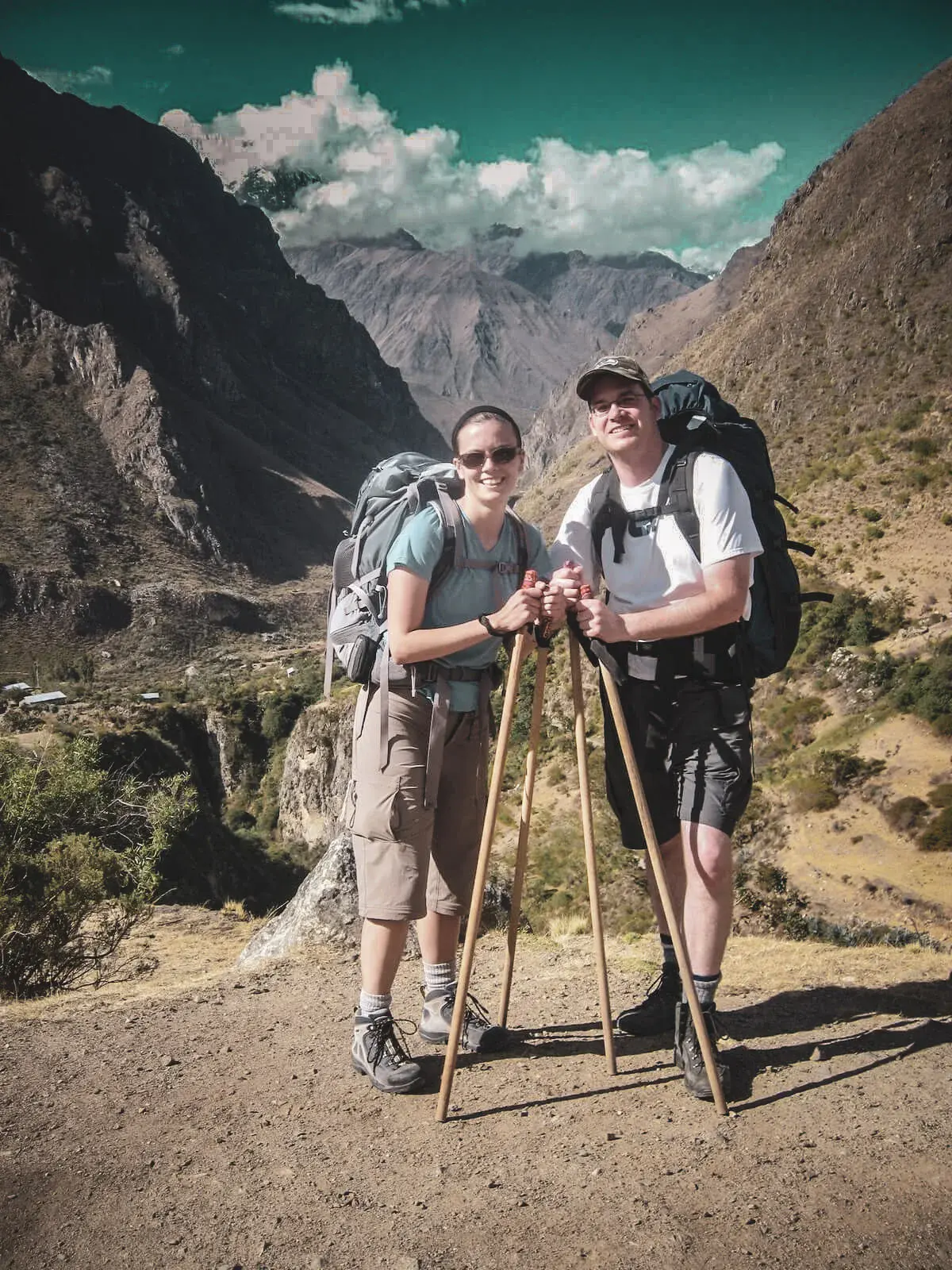
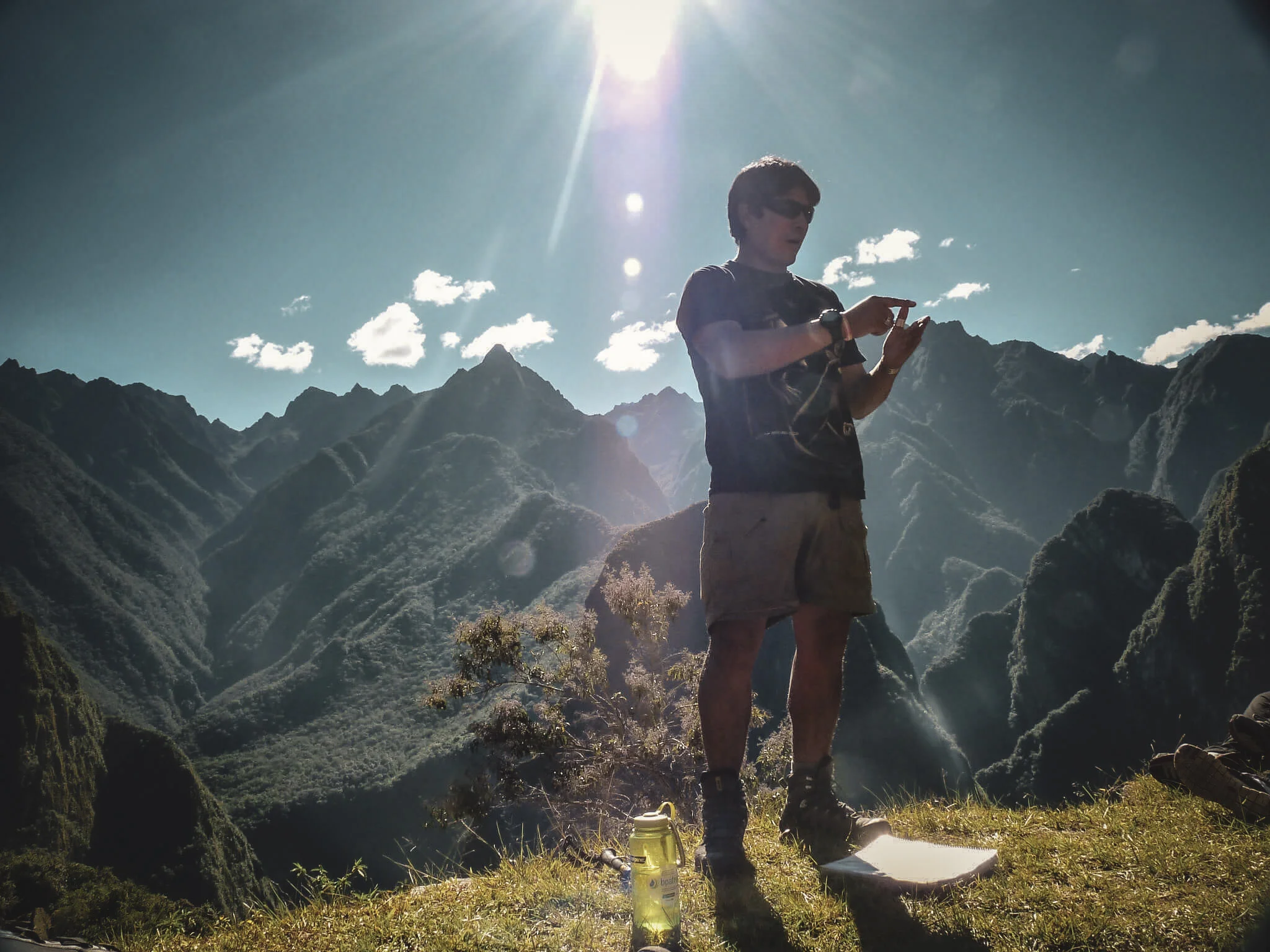
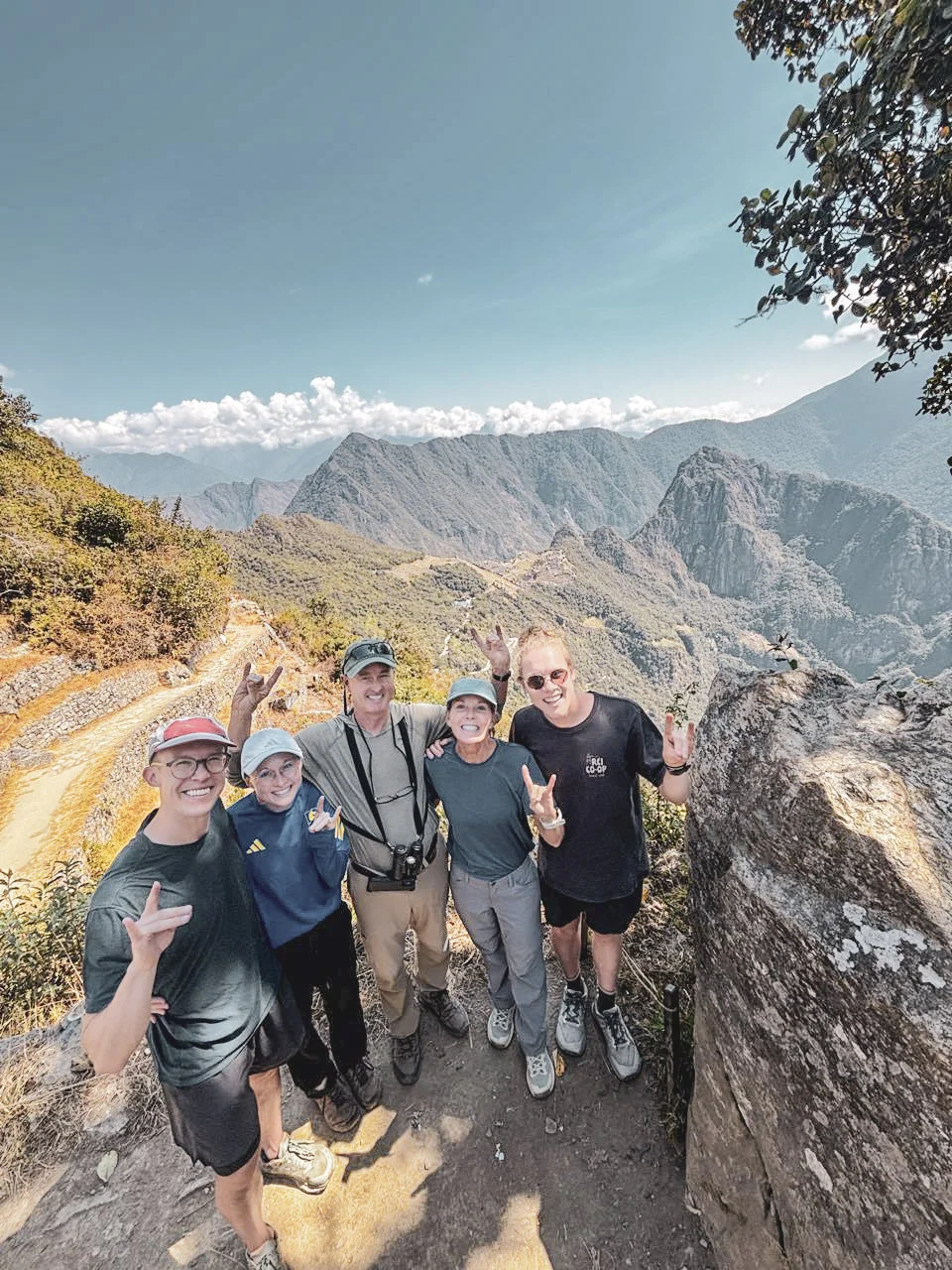
Photo gallery
A glimpse of the journey

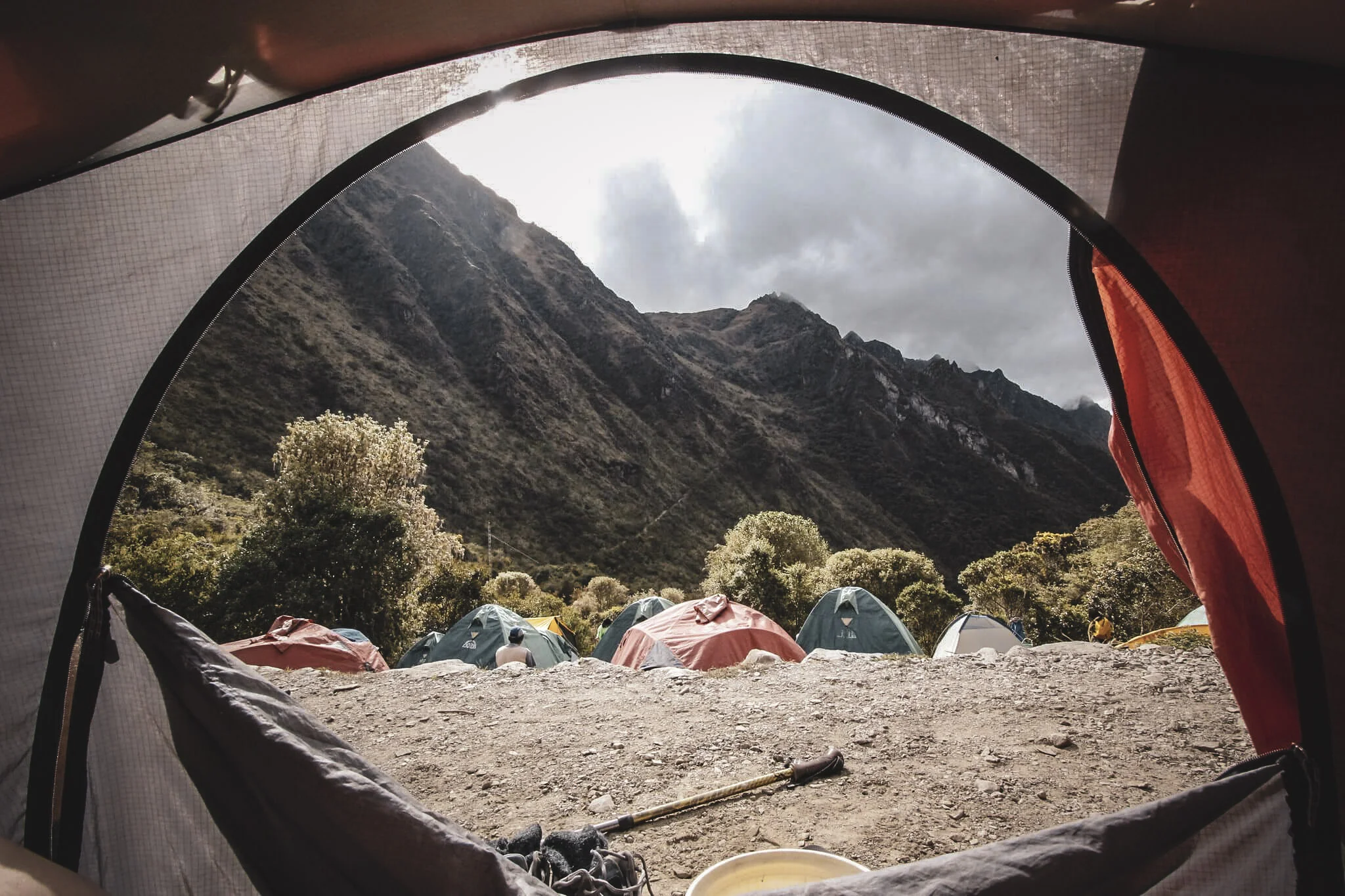
Tour overview
Classic Inca Trail, thoughtfully organized
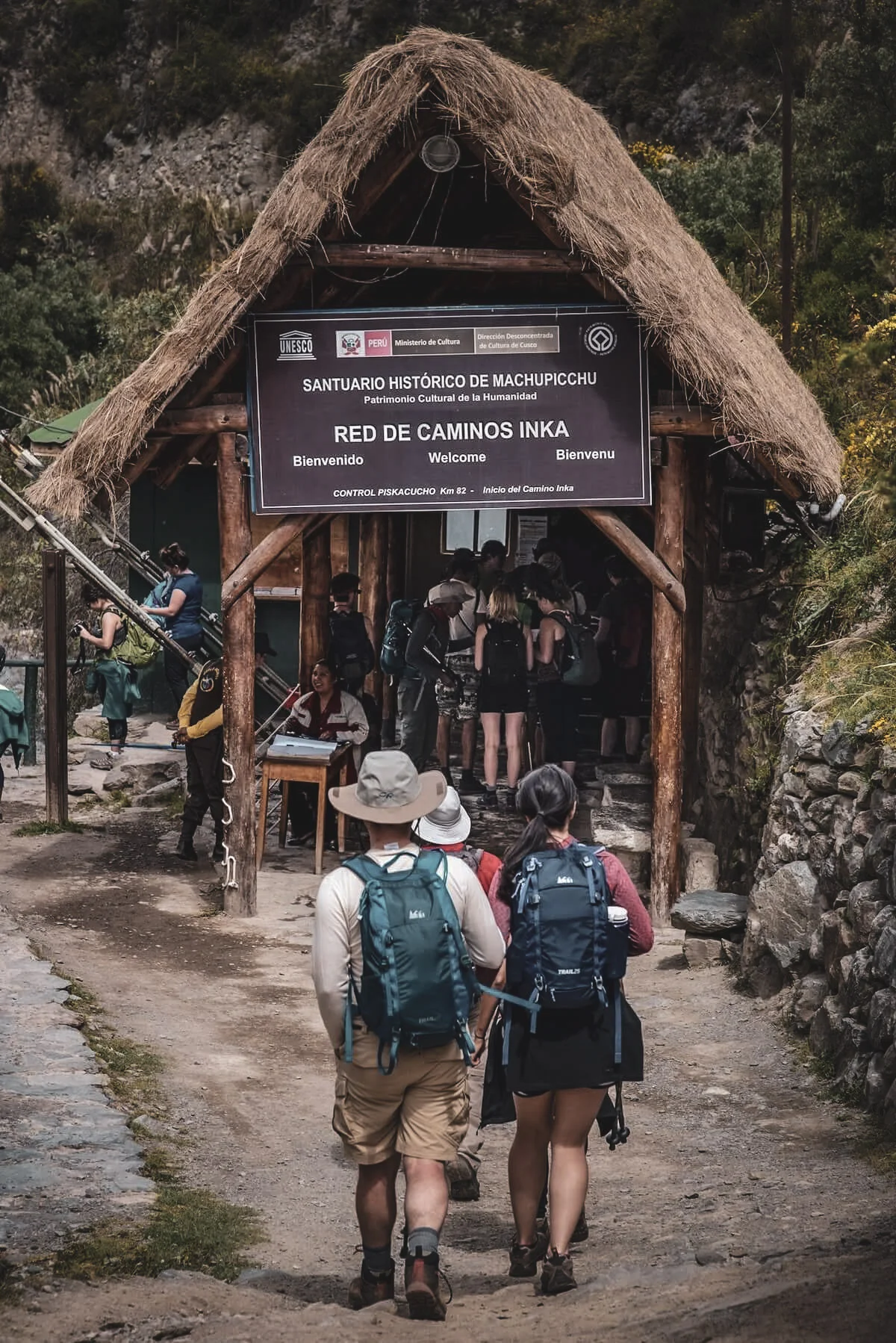
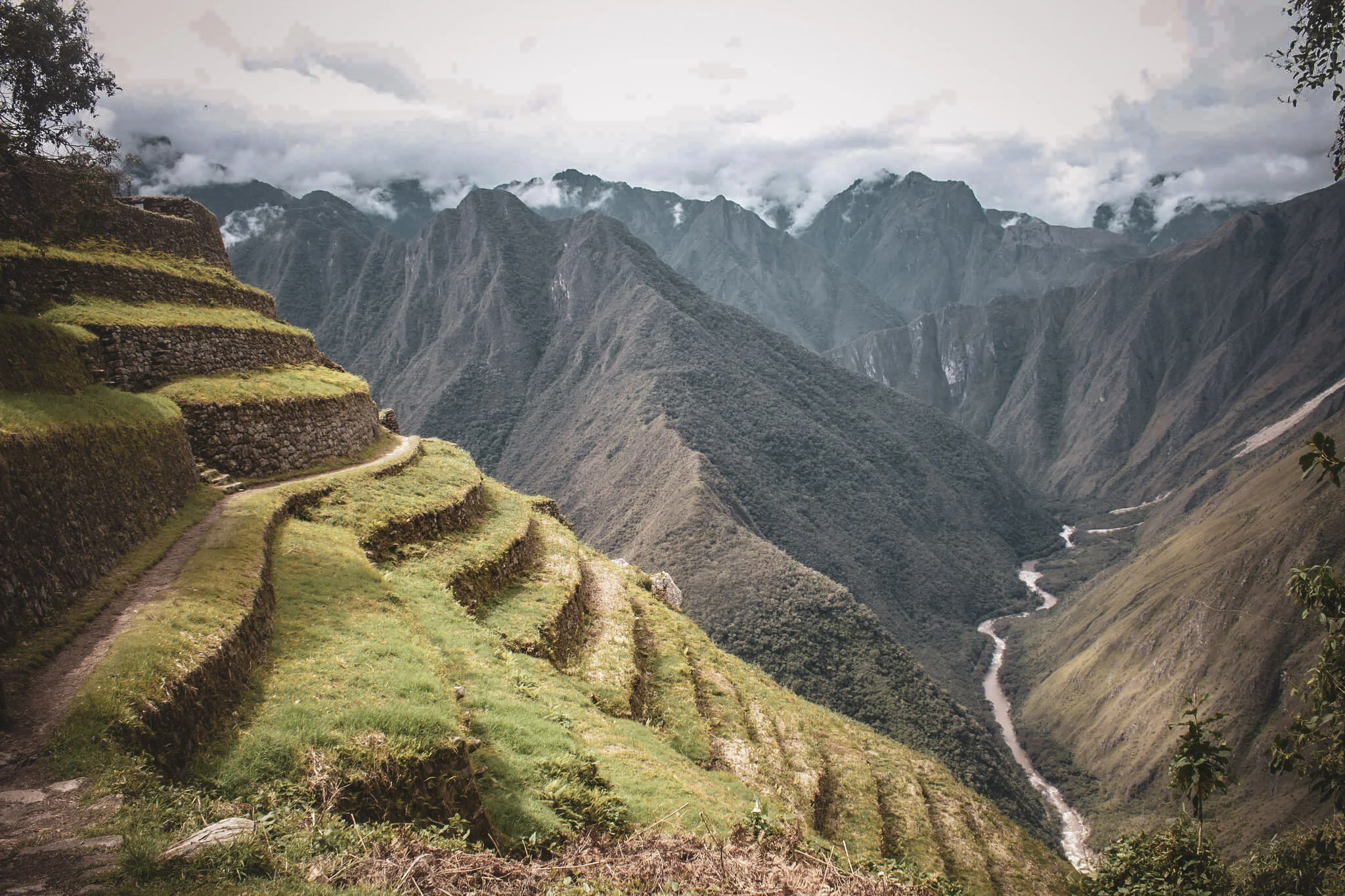
The original Inca road to Machu Picchu: About 40 km of stone paths, cloud forest and Inca sites that can only be reached on foot. On the last morning you walk through the Sun Gate and see the citadel below you. We book your permit in your name and confirm it before you pay.
Our Cusco team checks the services, timings and availability for your dates and sends the options in a written quote.
Journey highlights
What makes this trip special
- Walk through the Sun Gate (Inti Punku) to Machu Picchu
- Runkurakay, Sayacmarca, Phuyupatamarca and Wiñay Wayna, sites with no road access
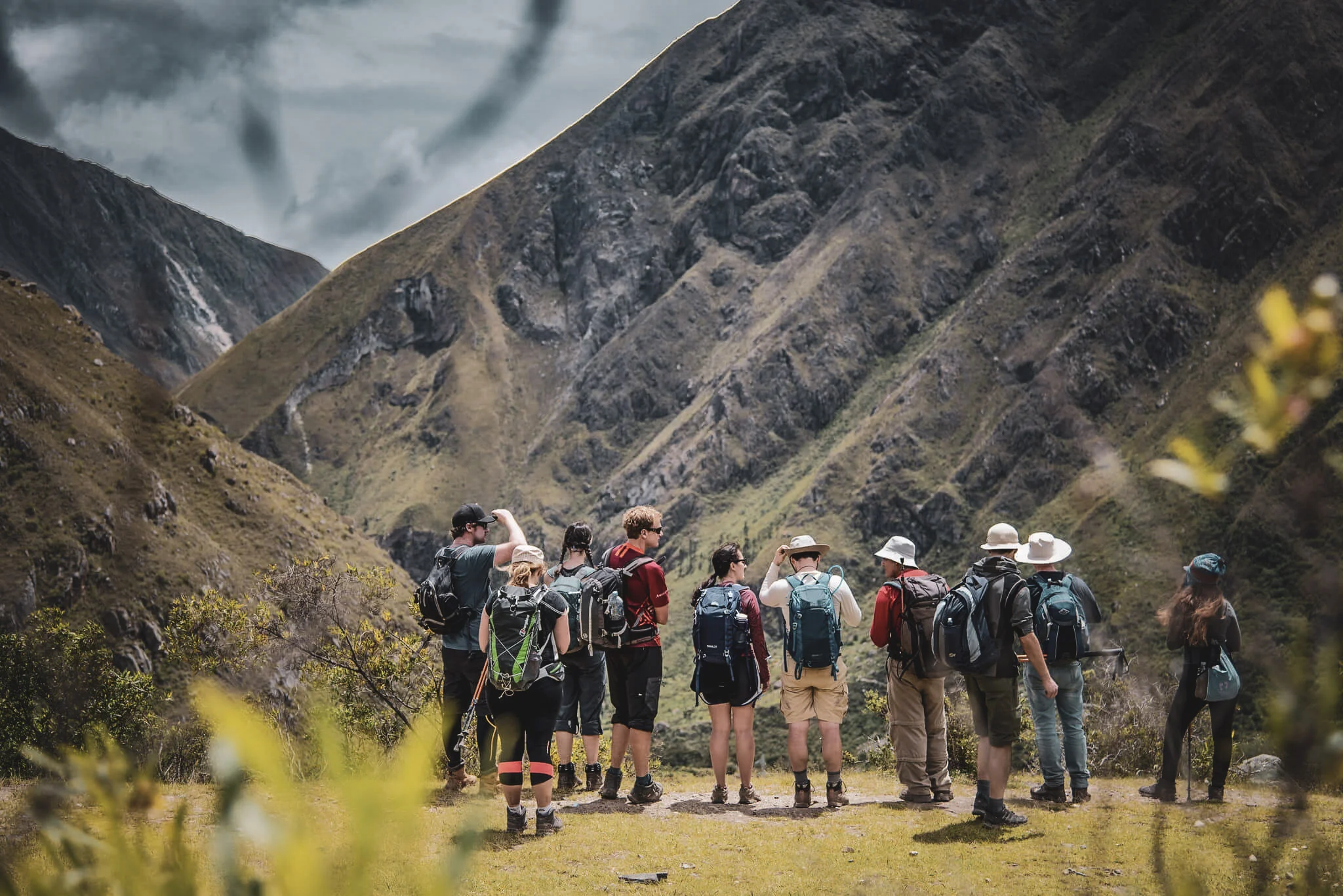
- Small groups and a well-paid, well-equipped porter team
- Personal porter carries 7 kg of your gear
Detailed itinerary
Your journey, step by step
Times and services are indicative. Your final schedule is confirmed in your written quote.
Cusco to Ayapata (14 km, 6–7 h)
Pickup at 4:30 am (6:00–6:30 am from the Sacred Valley) and breakfast in Ollantaytambo. Start at Km 82 (Piscacucho) on a mostly flat trail past Willkarakay and Llactapata, lunch at Hatunchaca, then uphill past Wayllabamba to camp at Ayapata (3,300 m).
Dead Woman's Pass (10 km, 8–9 h)
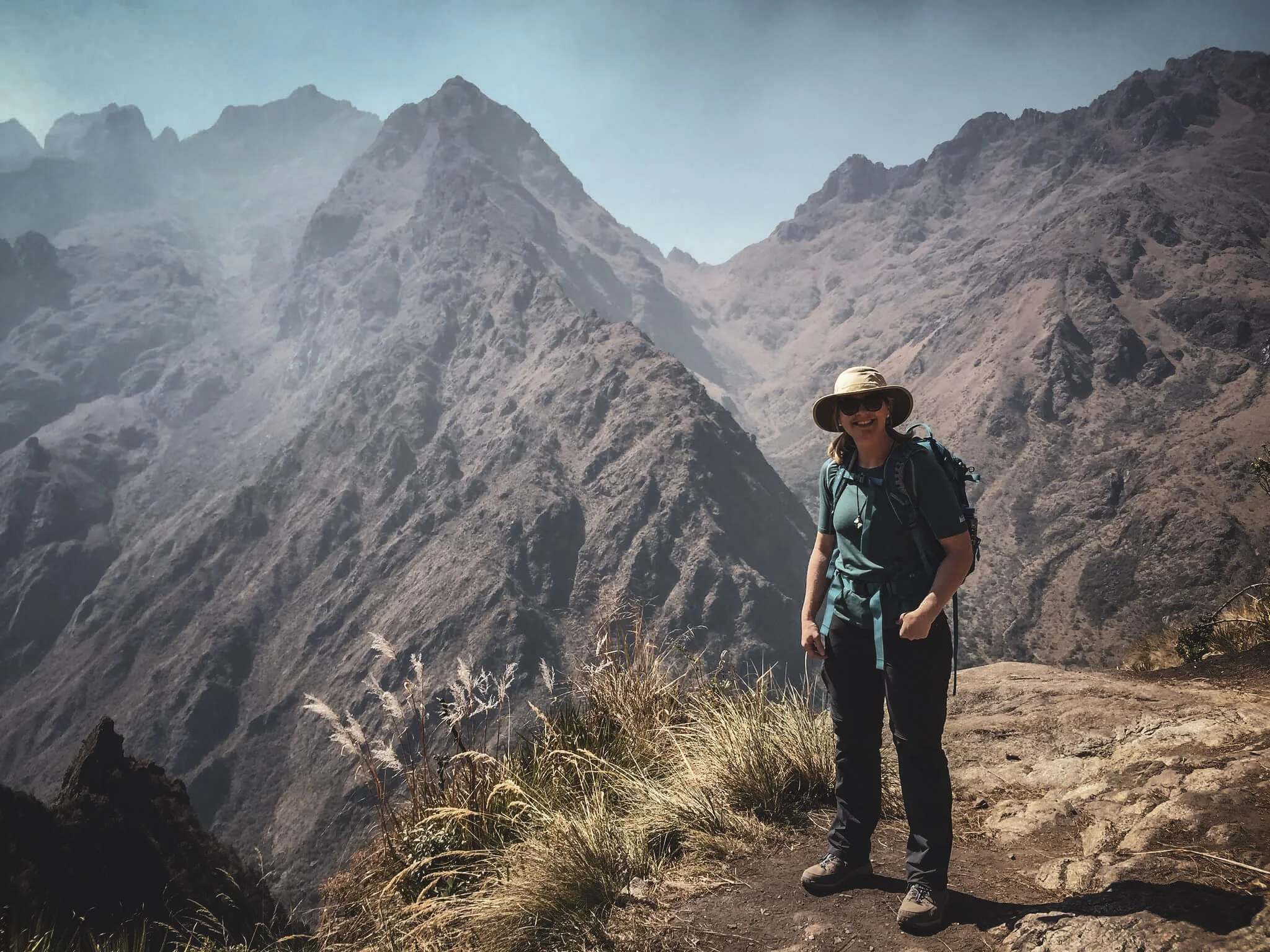
The hardest day. Climb through Llulluchapampa to Dead Woman's Pass (4,215 m) and descend to Pacaymayo for lunch. Then cross Runkurakay Pass and visit Sayacmarca before camping at Chaquicocha (3,600 m).
Cloud forest and Inca sites (9 km, 5–6 h)
The "Peruvian flat" to Phuyupatamarca, with views of Salkantay, then down through the cloud forest to Intipata and camp near Wiñay Wayna (2,680 m). Afternoon visit of Wiñay Wayna and a farewell dinner with the crew.
Sun Gate and Machu Picchu (7 km, 2–3 h)
Wake-up at 3:30 am; the checkpoint opens at 5:30 am and we reach the Sun Gate around 7:00 am. Walk down to the classic viewpoint (Circuit 1, route 1C), then a 2-hour guided tour on Circuit 3 (route 3B). Bus to Aguas Calientes, free time for lunch, Expedition train to Ollantaytambo in the afternoon and transfer to Cusco (around 7:30 pm).
What's included
Clear inclusions, no guesswork
Included
- Inca Trail permit and Machu Picchu entry (Circuits 1C and 3B)
- hotel pickup and drop-off in Cusco
- private transport to Km 82
- Professional guide, chef and porter team
- Personal porter for up to 7 kg in a provided duffel bag
- Shared camping tent, mattress and pillow
- Dining tent, portable toilet tent and camp equipment
- First-aid kit and emergency communication equipment
- Boiled and filtered water with meals from Day 2
- Pre-trek briefing and luggage storage in Cusco
- 4 breakfasts, 3 lunches, 3 dinners and 3 snacks, with vegetarian, vegan and gluten-free options on request
- bus down from Machu Picchu
- Expedition train to Ollantaytambo
- transfer to Cusco
Not included
- lunch on Day 4
- water for Day 1
- sleeping bag
- hot springs in Aguas Calientes
- travel insurance
- tips for the crew
Optional extras
Ways to tailor this trip
- Huayna Picchu +US$ 75 (Machu Picchu Mountain is not possible after the trek because of its entry times)
- second Machu Picchu ticket to visit the citadel again +US$ 55
- Vistadome return train +US$ 55
- sleeping bag rental (rated to −15 °C) US$ 20
- trekking poles US$ 20
- air mattress US$ 20
- extra porter: 5 kg US$ 50, 10 kg US$ 100, 15 kg US$ 150
Optional services are subject to availability. Mention your preferences in the booking form notes; your quote will list the selected extras and final total.
Plan with confidence
Essential trip details
Good to know
Before you travel
Entrance routes
Understanding Machu Picchu circuits
Machu Picchu uses timed tickets and set routes. The circuit available for your trip depends on tickets, trek permits and your itinerary.
Panoramic
Elevated viewpoints and selected mountain routes.
Classic
Classic viewpoints and the urban sector.
Royalty
Lower-sector temples and royal spaces.
Routes depend on official availability. Your quote will identify the proposed ticket route.
Planning guides
Useful reading before you book
What to bring
Pack light for the day
- Original passport (and student ID if applicable)
- Daypack of 20–30 liters (larger packs are not allowed inside Machu Picchu)
- Sleeping bag rated to −5 °C or colder (or rent one), and a sleeping bag liner
- Broken-in hiking boots, sandals for camp and 4 pairs of wool socks
- Rain jacket and rain pants (essential from November to March), fleece, warm jacket, wool hat and gloves
- Headlamp, power bank, refillable water bottle, sunscreen, insect repellent and toilet paper
- Personal medication, blister plasters and snacks
- Cash in soles for tips, drinks and toilets along the trail
Carry the original passport used to book. Check your confirmed ticket and operator instructions for current baggage and site rules.
Frequently asked questions
Before you book
How far ahead should I book?
For May to August, 6–8 months ahead. For April and September to November, about 4 months. For December, January and March, about 2 months.
What happens if my date is sold out?
We tell you before any payment and offer the Short Inca Trail, Salkantay or Lares on the same dates.
Will I see the sunrise from the Sun Gate?
No. The checkpoint opens at 5:30 am and groups reach the Sun Gate around 7:00 am, after sunrise. Be wary of any operator that promises otherwise.
Can children and students join?
Yes. The minimum age is 10. Reduced permit prices apply to hikers under 18 and to university students under 25 with a valid physical student ID.
Do I need to be very fit?
You need good basic fitness and at least 2 days in Cusco to adjust to the altitude first.
Is there a waiting list if the trail is sold out?
No. Cancelled permits do not return to the system, so book as early as you can.
Can I extend my trip after the trek?
Yes. Add a night in Aguas Calientes and we move your train to the next day. A second Machu Picchu ticket costs US$ 55.
What if I fall ill before the trek?
Permits cannot be refunded or moved. If you cannot start, we help you reach Machu Picchu by train with the ticket you already have, paying only the extra transport.
How many guides do we have?
One guide for groups of up to 9, and two guides for groups of 10, so faster and slower hikers are both looked after.