
Machu Picchu Altitude and How to Handle It
Machu Picchu is at 2,430 m, lower than Cusco. Altitudes of every stop on your trip, altitude sickness symptoms and how to plan your days to avoid it.
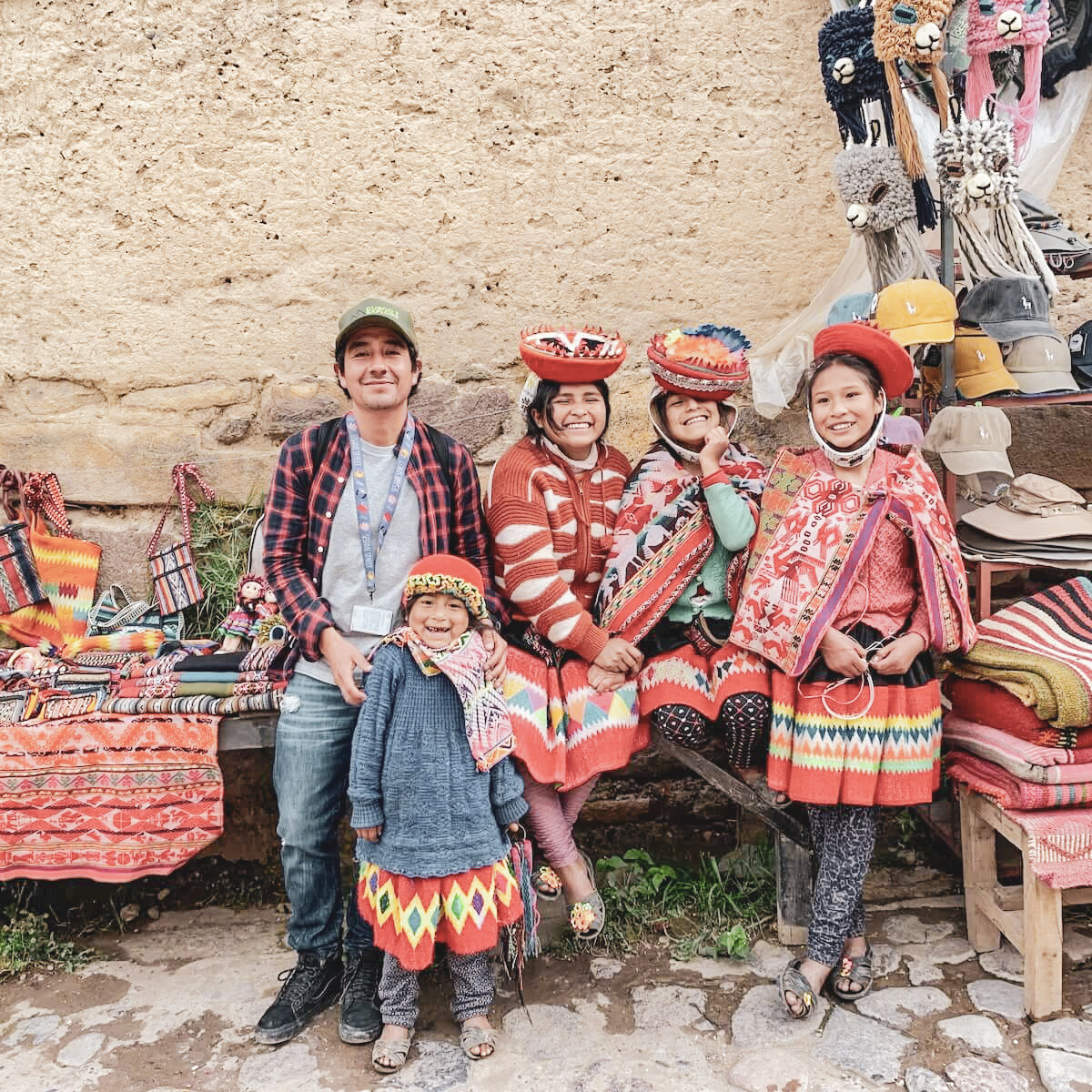 By Rudy Estumbelo, Lead Guide, Inca Trail

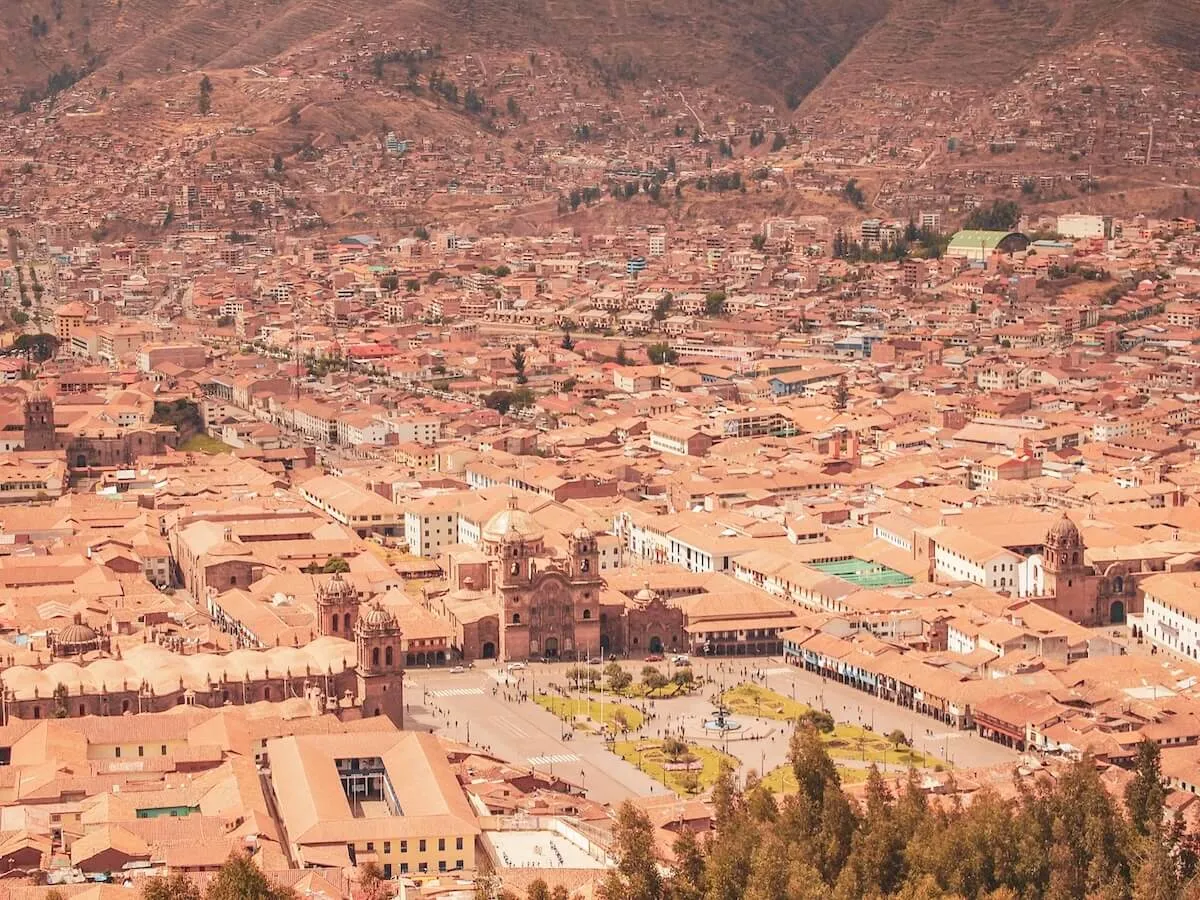
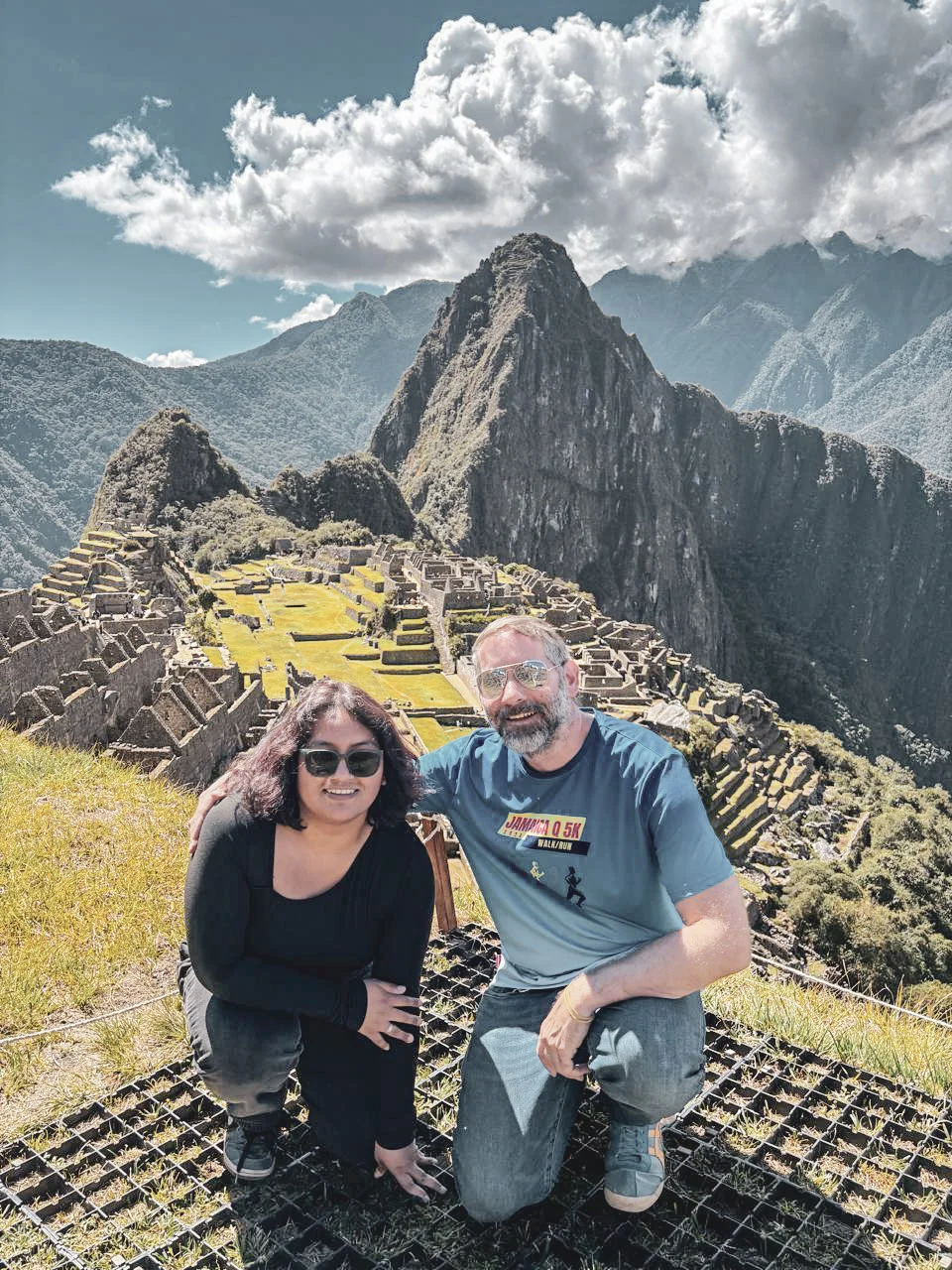
Machu Picchu stands at 2,430 m (7,970 ft) above sea level, almost 1,000 m lower than Cusco (3,400 m). Most visitors feel the altitude in Cusco, not at Machu Picchu, so the key is to plan your first days well: rest on arrival and spend time in the lower Sacred Valley before any high hike.
Altitudes on your trip
| Place | Altitude |
|---|---|
| Aguas Calientes | 2,040 m |
| Machu Picchu | 2,430 m |
| Huayna Picchu | 2,720 m |
| Ollantaytambo, Sacred Valley | 2,790 m |
| Machu Picchu Mountain | 3,082 m |
| Cusco | 3,400 m |
| Humantay Lake | 4,200 m |
| Dead Woman’s Pass, Inca Trail | 4,215 m |
| Salkantay Pass | 4,630 m |
| Rainbow Mountain | 5,034 m |
The treks and day hikes are where altitude really matters: Humantay Lake, the Inca Trail’s highest pass and Salkantay all climb above 4,000 m, and Rainbow Mountain reaches about 5,000 m.
Altitude sickness: what to expect
Above about 2,500 m, many travelers notice headaches, shortness of breath, tiredness, poor sleep or loss of appetite during the first 24–48 hours. These symptoms are usually mild and fade as the body adapts. Severe headache, confusion, vomiting or breathlessness at rest are warning signs: tell your guide, descend and see a doctor.
Symptoms: mild and serious
| Mild (common, usually pass in 1–2 days) | Serious (descend and get medical help) |
|---|---|
| Headache | Severe headache that does not improve with rest |
| Shortness of breath when walking | Breathlessness at rest |
| Tiredness and poor sleep | Confusion, unusual behavior or difficulty walking straight |
| Loss of appetite or mild nausea | Repeated vomiting |
| Dizziness when standing up quickly | A wet cough or chest tightness |
Your guides carry oxygen and a first-aid kit on treks and high day hikes, and they watch for these signs.
Who is more affected?
Altitude sickness does not depend on fitness: very fit people can feel it too. The biggest factors are how fast you go up, how high you sleep and your own body. People who have had altitude sickness before, or who have heart or lung conditions, should talk to a doctor before the trip.

How to plan your days
- Day 1: rest, drink water and take a gentle city tour in the afternoon.
- Day 2: go down to the Sacred Valley, which is lower than Cusco, or straight on to Machu Picchu.
- Treks and high hikes: only after at least 2 days at altitude, and 3 for Ausangate or Rainbow Mountain.
- On every day: drink plenty of water, eat light meals, avoid alcohol on the first night, and try coca tea if you like, as a local custom rather than a treatment.
- Medication: ask your doctor before the trip whether a preventive medicine such as acetazolamide is right for you.
A sample first three days
- Arrival in Cusco: rest in the morning, drink plenty of water and take a gentle afternoon city tour.
- Sacred Valley: drive down to the valley, about 500 m lower, for Pisac, Ollantaytambo or Maras and Moray, and sleep there.
- Machu Picchu: take the train to Aguas Calientes, at 2,040 m, and visit the citadel. High hikes such as Rainbow Mountain come after this.
Common myths
- “I’m fit, so I’ll be fine.” Fitness does not protect you from altitude sickness; going up gradually does.
- “Machu Picchu is the highest point of my trip.” Usually not: Cusco, Rainbow Mountain and the treks are all higher.
- “Coca tea prevents altitude sickness.” It is a pleasant local custom, but there is no solid evidence that it prevents or treats it. Going up gradually, rest and time are what help.
Our Sacred Valley & Machu Picchu 2 Days and Cusco & Machu Picchu 4 Days are planned in this order.
Sources
This guide is general travel information, not medical advice. It follows the US Centers for Disease Control and Prevention (CDC) guidance on high-altitude travel and altitude illness and its note on coca and altitude sickness. If you have a heart or lung condition, are pregnant or have had altitude sickness before, talk to a doctor before the trip.
Tours
Plan this with a local team

Machu Picchu journey
Sacred Valley & Machu Picchu
Choose the Sacred Valley route via Pisac or Chinchero, then visit Machu Picchu. Train, hotel, buffet lunch, all tickets and guide included.
Machu Picchu journey
Machu Picchu 2 Days
Spend a night in Aguas Calientes and enter Machu Picchu early. Train, hotel, subject to availability ticket and guide included. Huayna Picchu add-on available.

Machu Picchu journey
Cusco & Machu Picchu 4 Days
Cusco city tour, Sacred Valley and Machu Picchu in 4 days. Hotels, trains, guides, transfers and every entrance ticket included.
Frequently asked questions
Quick answers
How long does it take to acclimatize?
Most mild symptoms appear in the first 24–48 hours and fade as the body adapts. Plan at least 2 days at altitude before a trek or high hike, and 3 before Ausangate or Rainbow Mountain.
What are the warning signs of serious altitude sickness?
A severe headache that does not improve with rest, breathlessness at rest, confusion, repeated vomiting or a wet cough. Tell your guide, descend and see a doctor.
Does coca tea help?
Coca tea is a traditional Andean drink and many travelers find it comforting, but there is no solid evidence that it prevents or treats altitude sickness (CDC). Treat it as a local custom, not a medicine: what works is going up gradually, resting and, if your doctor advises it, preventive medication.
Should I take altitude medication?
Ask your doctor before the trip whether a preventive medicine such as acetazolamide is right for you.
Will I get altitude sickness at Machu Picchu?
It is unlikely at Machu Picchu itself, which is lower than Cusco. Symptoms usually appear in Cusco or on high treks.
Can I go to Machu Picchu the day I land in Cusco?
Yes. Going straight down to the Sacred Valley and Aguas Calientes is a good way to start, as both are lower than Cusco.
Is the altitude a problem for children or older travelers?
Most handle it well with a gentle first day. Travelers with heart or lung conditions should check with their doctor first.