
How Many Days for Machu Picchu? 1, 2 or 3 Days
Compare one, two and three days at Machu Picchu, with practical advice on entry times, train margins and acclimatization in Cusco.
 By Edith Cajigas, Lead Guide, Machu Picchu
How many days do you need for Machu Picchu? The useful answer depends on where you are sleeping, which train and entrance time are available, and whether the citadel is your only goal or part of a wider Cusco itinerary. One day can work from Cusco, but it is a demanding travel day. Two days usually creates a more balanced visit. Three days can make sense when you want to include acclimatization, the Sacred Valley or an additional hike.
The best itinerary is not simply the one with the most hours at the ruins. It is the one that leaves enough margin for the road, train, bus, timed entry and the possibility that a connection takes longer than expected. Use the options below to match the schedule to your actual trip.
One day: Cusco to Machu Picchu and back
One day is the shortest practical option for travelers already in Cusco who have limited time. The day commonly begins before sunrise with a road transfer to a train station in the Sacred Valley, followed by a train to Machu Picchu Pueblo (Aguas Calientes). From town, visitors take the shuttle bus up to the entrance for the circuit and entry time on their ticket, then reverse the route to Cusco.
This is a full day, often around 14–16 hours door to door depending on the confirmed trains, road conditions and entry slot. The schedule is shaped by fixed departures and timed tickets rather than by how long you would ideally like to stay. You may have time for a guided circuit and a meal in Aguas Calientes, but usually not for several unrelated stops as well.
Choose the day trip when you are comfortable with an early start, have already allowed time to settle in Cusco, and prefer to return to the same hotel that evening. Before paying, make sure your quote states the departure station, train times, entry circuit, bus arrangements and how much connection time is built in. A late return may affect dinner plans or a flight the next morning, so avoid placing another tight connection immediately after the tour.
Two days: add an overnight in Aguas Calientes
For many first-time visitors, two days is the most comfortable balance. Travel from Cusco through the Sacred Valley and take the train to Aguas Calientes on the first day. Depending on your chosen itinerary, you can include a valley visit before boarding. Stay overnight in town, then go to Machu Picchu the following day at the entry time on your ticket and return by train afterward.
Separating the approach from the visit reduces the number of transport legs competing with your timed entry on the same morning. It also gives you more choice about an early visit, subject to ticket and train availability. The overnight does not remove queues or make the route inside the citadel flexible; the circuit still follows the official ticket. But it creates a calmer start and allows you to spend the evening in Aguas Calientes rather than traveling back to Cusco immediately after the visit.
Consider the Machu Picchu 2-Day Tour for a direct overnight itinerary, or the Sacred Valley and Machu Picchu 2 Days route if you want to connect valley highlights with the visit. Check whether the accommodation, meals, train, entry ticket, bus and guide are included; packages differ.
Three days: make room for the region
Three days are useful when Machu Picchu is one part of a larger stay rather than a single excursion. A common structure is to arrive in Cusco and take a light first day, explore Cusco or the Sacred Valley on the second, then travel to Aguas Calientes and visit Machu Picchu on the third. Another option is to spend the first night in the Sacred Valley, continue by train, and return to Cusco after the visit.
The extra time can help with gradual acclimatization and reduce backtracking, especially if your flight arrives late or you want to see places such as Ollantaytambo, Pisac, Maras or Moray. It can also make room for a separate mountain ticket, though the additional hike has its own entry time and physical demands. Do not assume that a three-day stay means three days inside the sanctuary: the ticket allows entry on a specified date, time and route.
For a wider route, compare the Cusco and Machu Picchu 4 Days and Cusco and Machu Picchu 6 Days itineraries. They include more regional context and are better suited to travelers who want guided visits beyond the citadel.
Entry times, trains and connection margins
Start with the Machu Picchu ticket and work outward. The ticket specifies the date, entry time and circuit; train inventory and shuttle operations determine how you reach it. A very early ticket can require an overnight in Aguas Calientes, while a later ticket may fit a same-day approach from Cusco, depending on the current timetable. Check the exact schedule rather than relying on a generic description of “morning train.”
Leave a realistic gap between arriving by train and joining the bus queue. You need to disembark, walk through town, reach the bus boarding area and travel up the mountain. The queue changes by season and time of day. On the return, allow time to descend from the entrance, walk to the station and board before the train’s stated departure. A tight connection can turn a manageable itinerary into a stressful one.
Road transfers are affected by traffic, weather and local disruptions. A tour operator may coordinate the elements, but no plan can make every delay impossible. Keep the day before an international flight free of fragile connections and check the latest instructions with your train and tour providers.
Acclimatization and energy
Cusco is at a higher elevation than Machu Picchu. Some visitors feel headache, fatigue, nausea or shortness of breath after arriving; others feel little. Plan a gentle first day, drink water, avoid overexertion and speak with a medical professional about personal health concerns or medication. Symptoms that are severe or worsening need medical attention.
Do not schedule a strenuous high-altitude trek immediately after landing simply because the calendar allows it. For the visit itself, remember that the site involves stone steps, uneven surfaces and a one-way route. A private guide can adapt commentary and pace within the permitted route, but cannot remove physical barriers or extend the time on a ticket.
A simple way to choose
Choose one day if time is tight, you are already acclimatized, and a long travel day is acceptable. Choose two days if you want an overnight near the site and a less compressed visit. Choose three days if you want room for a gentle arrival, a Sacred Valley stop or an additional activity. In every case, build the route around confirmed ticket and train times, not assumptions.
Before booking, compare the total door-to-door duration, the first and last transport of each day, included services, overnight location and cancellation terms. A thoughtful schedule is not about moving slowly at every moment. It is about placing enough margin between fixed commitments that the journey still feels like a visit, not a race.
A short checklist before you choose
Write down your arrival time in Cusco, where you will sleep the first night, the train station and departure time, your Machu Picchu entry slot, and the train you will use afterward. Then check the transfer time between each point. If your ticket is early, ask whether you need to sleep in Aguas Calientes the night before. If you are returning to Cusco the same day, confirm when the road transfer leaves the station and how late you are likely to arrive.
Next, decide whether a mountain hike is a priority or whether the citadel circuit is enough. Extra routes need separate tickets, have their own time slots and add physical effort; they should not be squeezed into a one-day plan without checking the schedule. Finally, keep meals and rest realistic. These simple checks help you choose one, two or three days based on the real sequence of services rather than an idealized timetable.
For a ready-made option, compare the Machu Picchu Day Tour from Cusco, Machu Picchu 3 Days and Machu Picchu tour for seniors. Travelers who want a private pace can also arrange a private Machu Picchu tour guide, while families can review the advice for Machu Picchu with kids.
Tours
Plan this with a local team
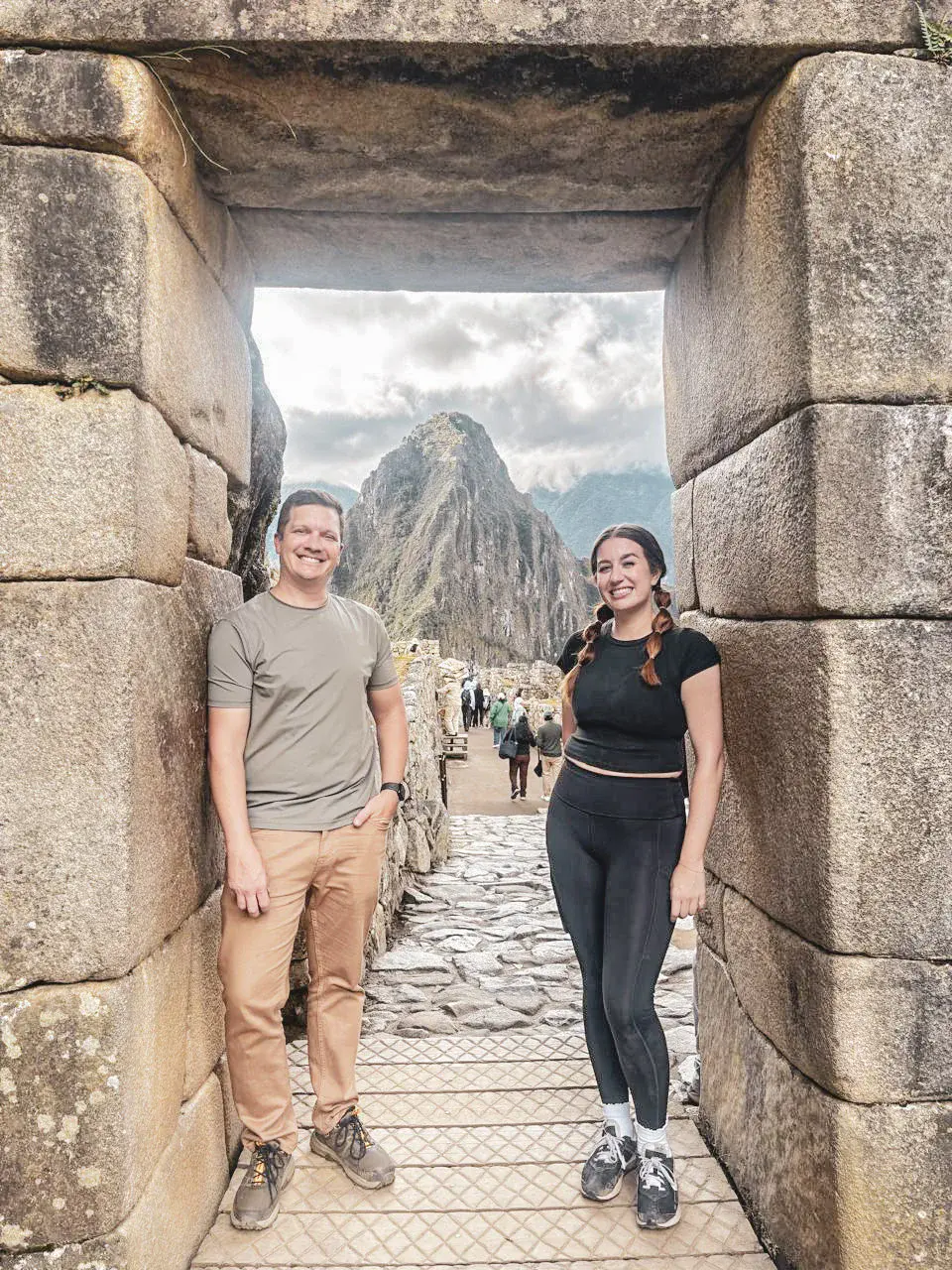
Full-day train tour
Machu Picchu Day Tour from Cusco
Visit Machu Picchu in one day from Cusco by train, with entry ticket, shuttle bus and a bilingual guide coordinated by a local team.
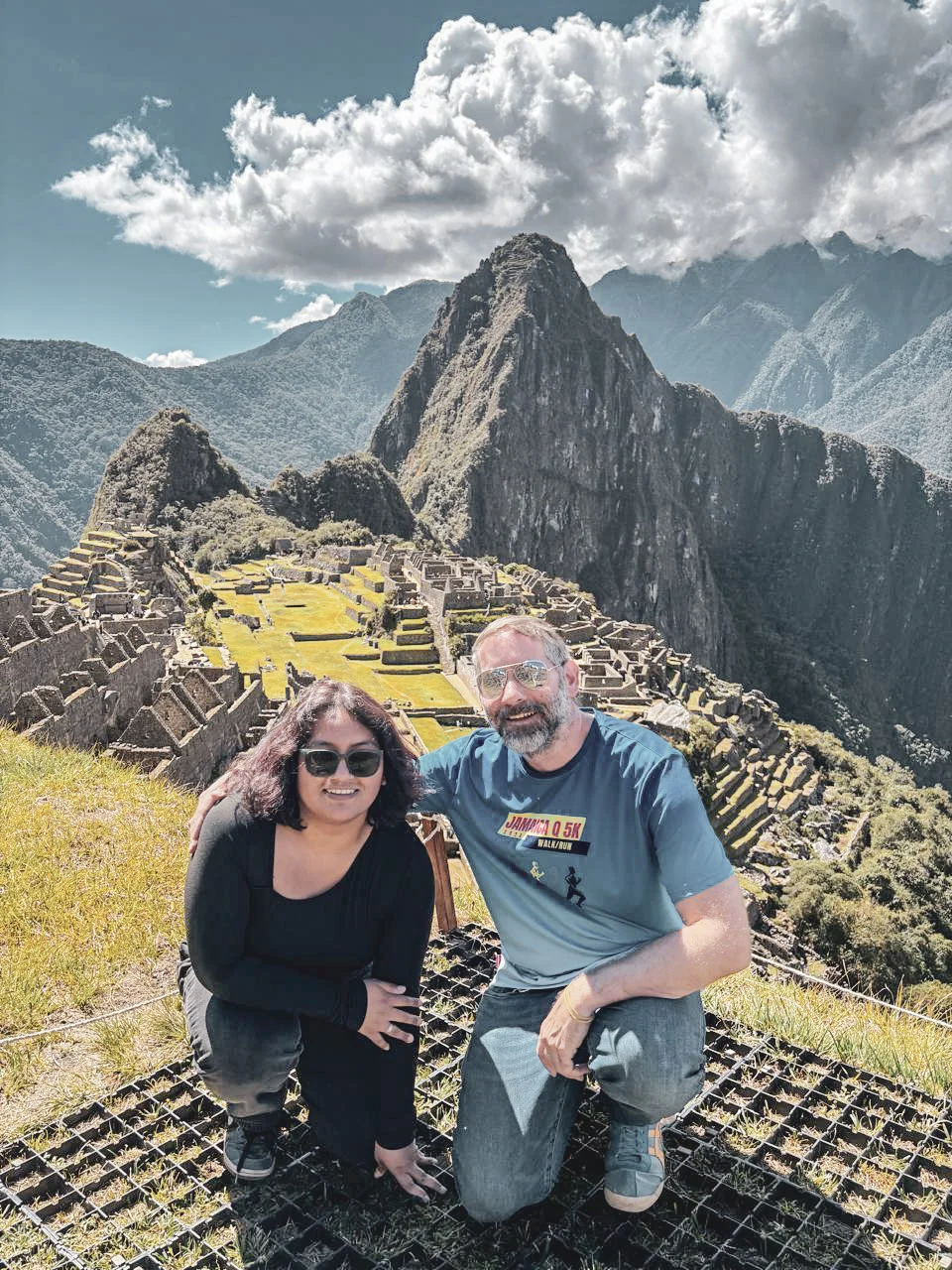
Machu Picchu journey
Machu Picchu 2 Days
Spend a night in Aguas Calientes and enter Machu Picchu early. Train, hotel, subject to availability ticket and guide included. Huayna Picchu add-on available.
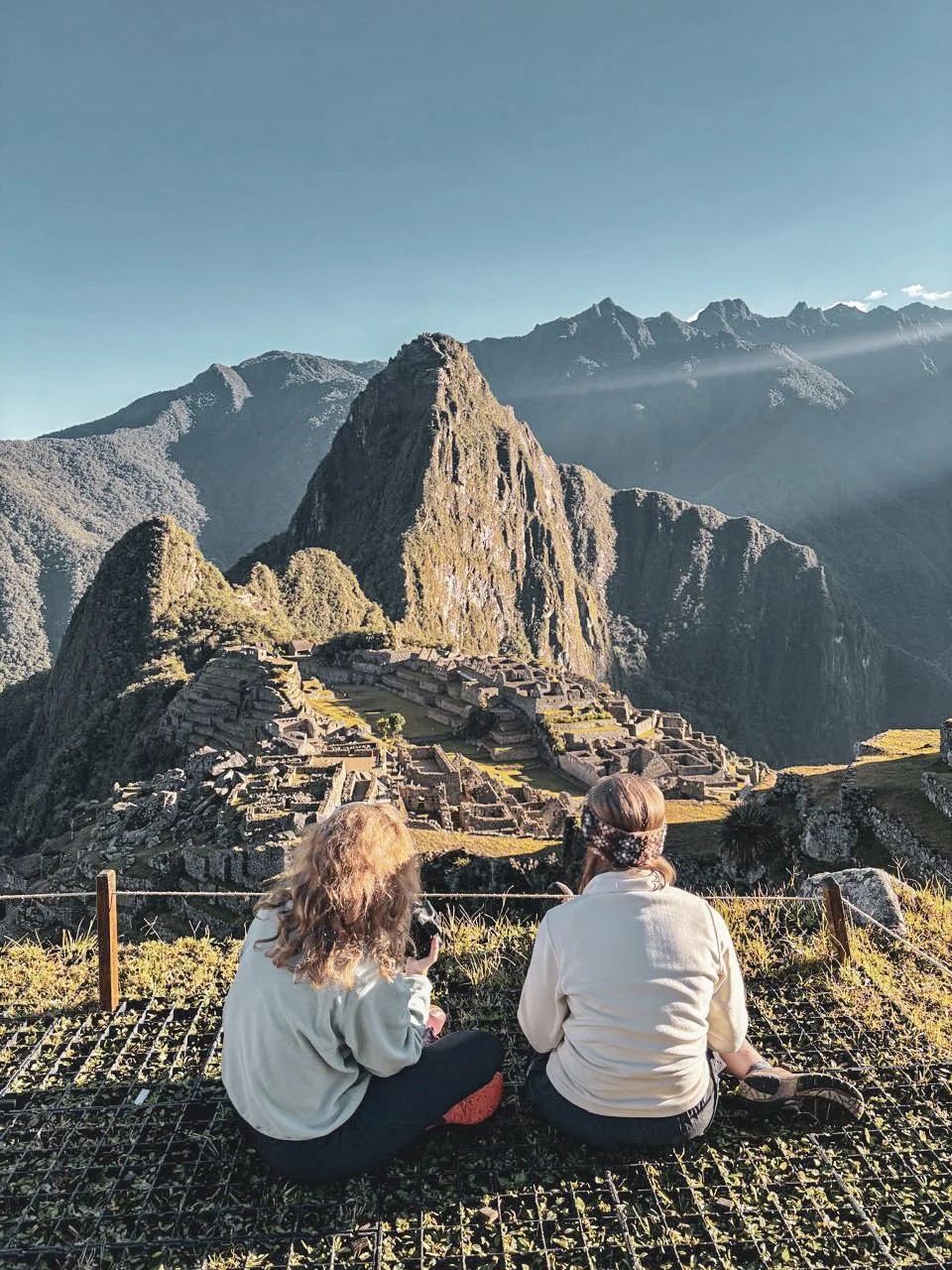
Machu Picchu journey
Machu Picchu 3 Days
3-day Machu Picchu tour from Cusco: city tour, Sacred Valley, a night in Aguas Calientes and an early visit. Hotels, train and all tickets included.
Frequently asked questions
Quick answers
Can I visit Machu Picchu in one day from Cusco?
Yes, but expect a very long day with an early road transfer, train, shuttle bus, timed entry and the return journey.
Is two days enough for Machu Picchu?
Two days is enough for the main visit and an overnight in Aguas Calientes, with less pressure to connect every leg on the same day.
Should I spend three days around Machu Picchu?
Three days can add time for acclimatization, Sacred Valley visits or a mountain hike, depending on your itinerary and tickets.
What time should I book my Machu Picchu entry?
Choose an entry time that fits your train, bus queue and circuit. The first entry is not automatically best if it requires an impractical connection.
How much time should I leave between my train and entrance?
Allow a practical buffer for arriving in Aguas Calientes, reaching the bus, waiting and traveling up the mountain. Confirm current operator guidance for your date.
Can I visit Huayna Picchu on a one-day trip?
It may be possible when the required ticket and time slot are available, but it makes an already long day more demanding.
Should I acclimatize in Cusco before Machu Picchu?
Most travelers benefit from taking it easy after arriving in Cusco, which sits at a higher elevation than Machu Picchu. Individual health needs vary.
Is Aguas Calientes worth an overnight?
An overnight makes the visit easier to pace and reduces the need to coordinate the citadel visit and return to Cusco in one day.