
Is Cusco Safe for Tourists?
Is Cusco safe for tourists? A local team's guide to petty theft, taxis, nightlife, strikes, altitude, water and scams, with practical tips.
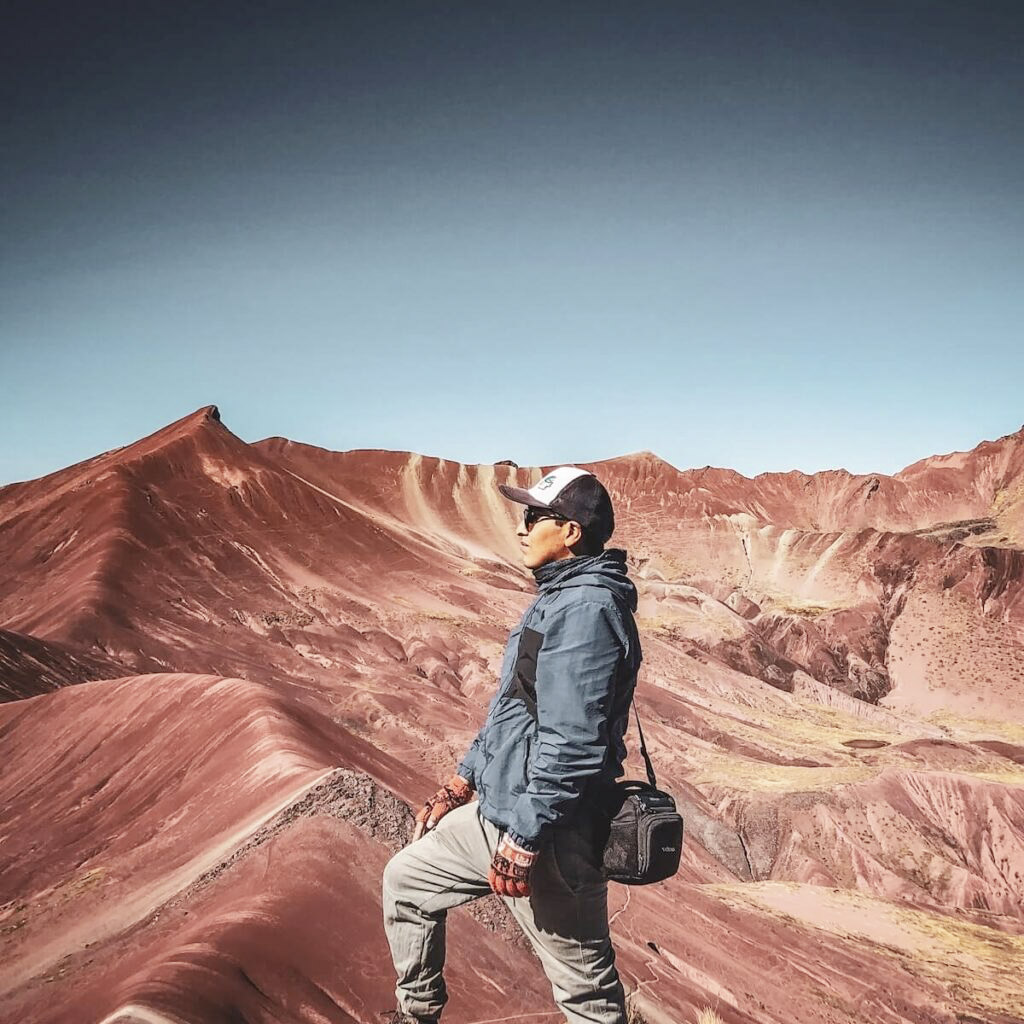 By J. José Rodríguez, Founder / CEO
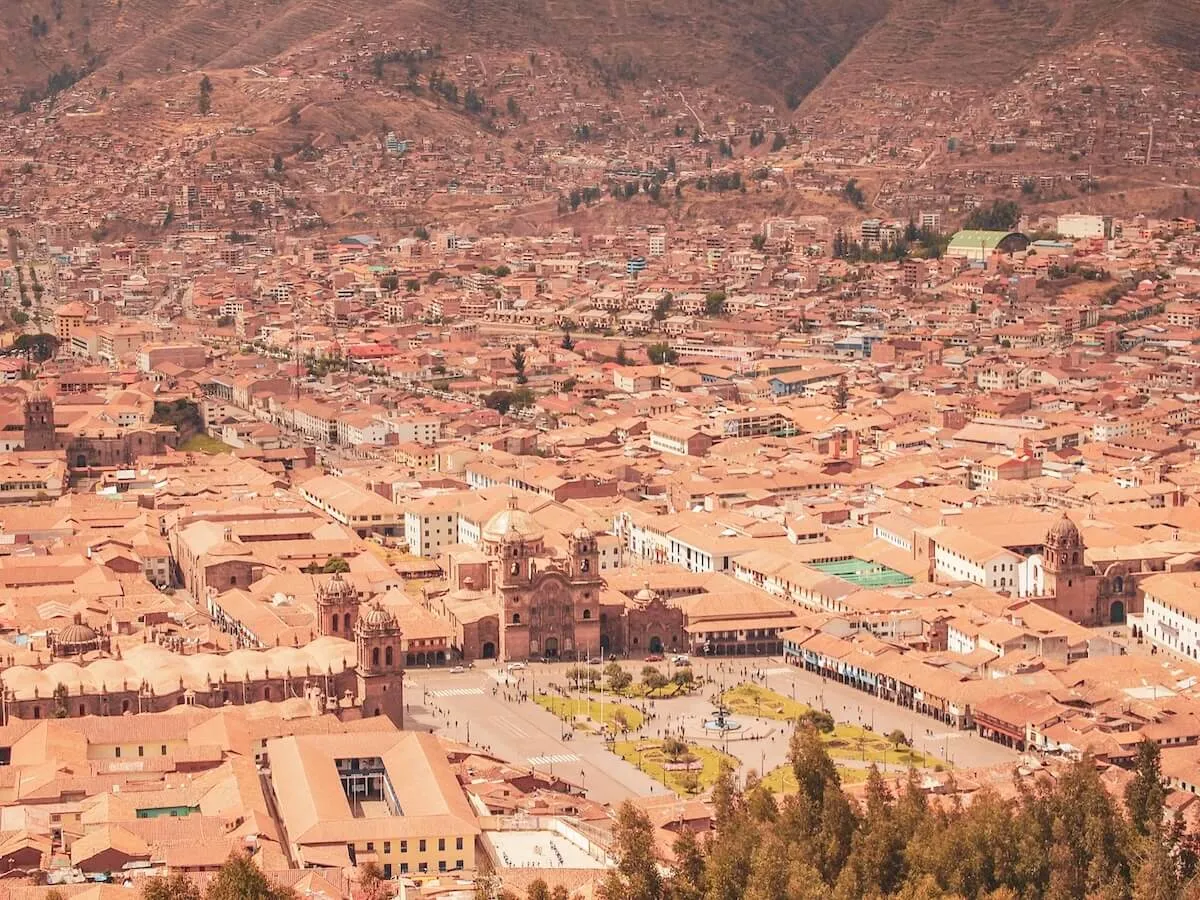
Yes, Cusco is generally safe for tourists. It is one of the most visited cities in South America, and most trips go without problems. The real risks are ordinary city ones, such as pickpockets in crowded places and unlicensed taxis at night, plus two things specific to Cusco: the altitude and occasional strikes that block roads or trains. This guide, from our team that lives and works in Cusco, explains what to watch for and how to avoid trouble.
Cusco safety at a glance
| Risk | How common | What to do |
|---|---|---|
| Pickpocketing and bag snatching | Occasional, in crowds | Keep valuables in front, zipped, out of sight |
| Unlicensed taxis | Occasional, mostly at night | Use registered taxis or ride apps |
| Altitude sickness | Very common | Take it easy for 1–2 days; see a doctor if symptoms are severe |
| Strikes and road blocks | A few times a year | Follow the news and your operator’s advice |
| Scams and fake tours | Occasional | Book with licensed operators; buy tickets officially |
| Stomach upsets | Common | No tap water; be careful with street food at first |
Petty theft
Most incidents in Cusco are opportunistic: a phone taken from a table, a bag opened in a crowd. Watch your belongings in:
- San Pedro market and the busy streets around it;
- the bus terminal and the train stations;
- crowded festivals and processions, such as Inti Raymi and Corpus Christi in June;
- the Plaza de Armas at busy times.
How to avoid it: carry a small cross-body bag or a daypack worn in front, keep your phone in a zipped pocket, do not leave bags hanging on chairs and carry only the cash you need for the day. Leave your passport in the hotel safe when you do not need it, and carry a copy.
Taxis and getting around
Taxis are cheap and convenient, but use registered taxis (with a company name and number) or a ride app, especially at night and from the airport or bus terminal. Agree on the fare before you get in if there is no meter. Your hotel or restaurant can call a trusted taxi for you.
The historic center is compact and best explored on foot during the day. At night, take a taxi rather than walking alone up the long staircases to San Blas or San Cristóbal, which become empty and dark.
Nightlife
Cusco has a lively bar scene around the Plaza de Armas. Enjoy it with the usual precautions: watch your drink, do not accept drinks from strangers, go home in a registered taxi and remember that alcohol hits harder at 3,400 m.
Altitude: the most common health risk
For most visitors, the biggest risk in Cusco is not crime but the altitude (3,400 m, 11,150 ft). Headaches, breathlessness and poor sleep are common in the first days.
- Take it easy for the first day or two, and drink water.
- Start in the lower Sacred Valley if you can.
- Leave high hikes like Rainbow Mountain and Humantay Lake for the end of your trip.
- See a doctor if you have severe symptoms, confusion or breathlessness at rest.
Read our full guide to Machu Picchu and Cusco altitude.
Strikes and protests
Local strikes happen a few times a year. They are usually peaceful but can block roads and stop trains for a day or more, and they are normally announced in advance. Avoid demonstrations, keep a flexible day in your plans and follow your operator’s advice. We publish updates on our Machu Picchu travel alerts page.
Scams to avoid
- Street tour sellers: very cheap tours sold on the street can mean unlicensed operators, poor safety and hidden costs. Book with a licensed agency.
- Fake Machu Picchu tickets: buy only on the official site or through a licensed operator. See Machu Picchu tickets.
- Photo charges: people in traditional dress with alpacas expect a small tip for photos. That is fair, but agree on it first.
- Money: use ATMs inside banks or shopping centers, and check your change.
Food and water
Do not drink tap water in Cusco: drink bottled, boiled or filtered water. Most hotels offer refills. Restaurants in the center are generally safe; give your stomach a day or two before trying street food, and be careful with raw salads and unpeeled fruit at first.
Safety on day trips and treks
- Choose a licensed operator with trained guides and emergency oxygen for high-altitude hikes.
- Get travel insurance that covers medical care and evacuation.
- Tell your operator about any health conditions before you book.
- Follow your guide’s advice on weather and trail conditions.
Solo travelers
Many solo travelers, including solo women, visit Cusco every year without problems. Stay in central, well-reviewed accommodation, share your plans with someone, use registered taxis at night and join small-group tours to meet other travelers.
Emergency numbers in Peru
| Service | Number |
|---|---|
| Police | 105 |
| Ambulance (SAMU) | 106 |
| Fire brigade | 116 |
Cusco also has a tourist police office in the historic center that helps visitors with reports and lost documents. Keep your embassy’s contact details and your insurance policy number on your phone.
Our verdict
Cusco is a safe and welcoming city for travelers who take normal precautions. Plan for the altitude, use registered taxis at night, watch your bag in crowds and book with a licensed operator. If you travel with us, our team in Cusco is on WhatsApp 24/7 during your trip.
Tours
Plan this with a local team
Cusco day tour
Cusco City Tour
Half-day guided tour of Cusco: Qoricancha, the Cathedral, Sacsayhuamán and three nearby Inca sites. All entrance tickets included.

Machu Picchu journey
Cusco & Machu Picchu 4 Days
Cusco city tour, Sacred Valley and Machu Picchu in 4 days. Hotels, trains, guides, transfers and every entrance ticket included.
Full-day train tour
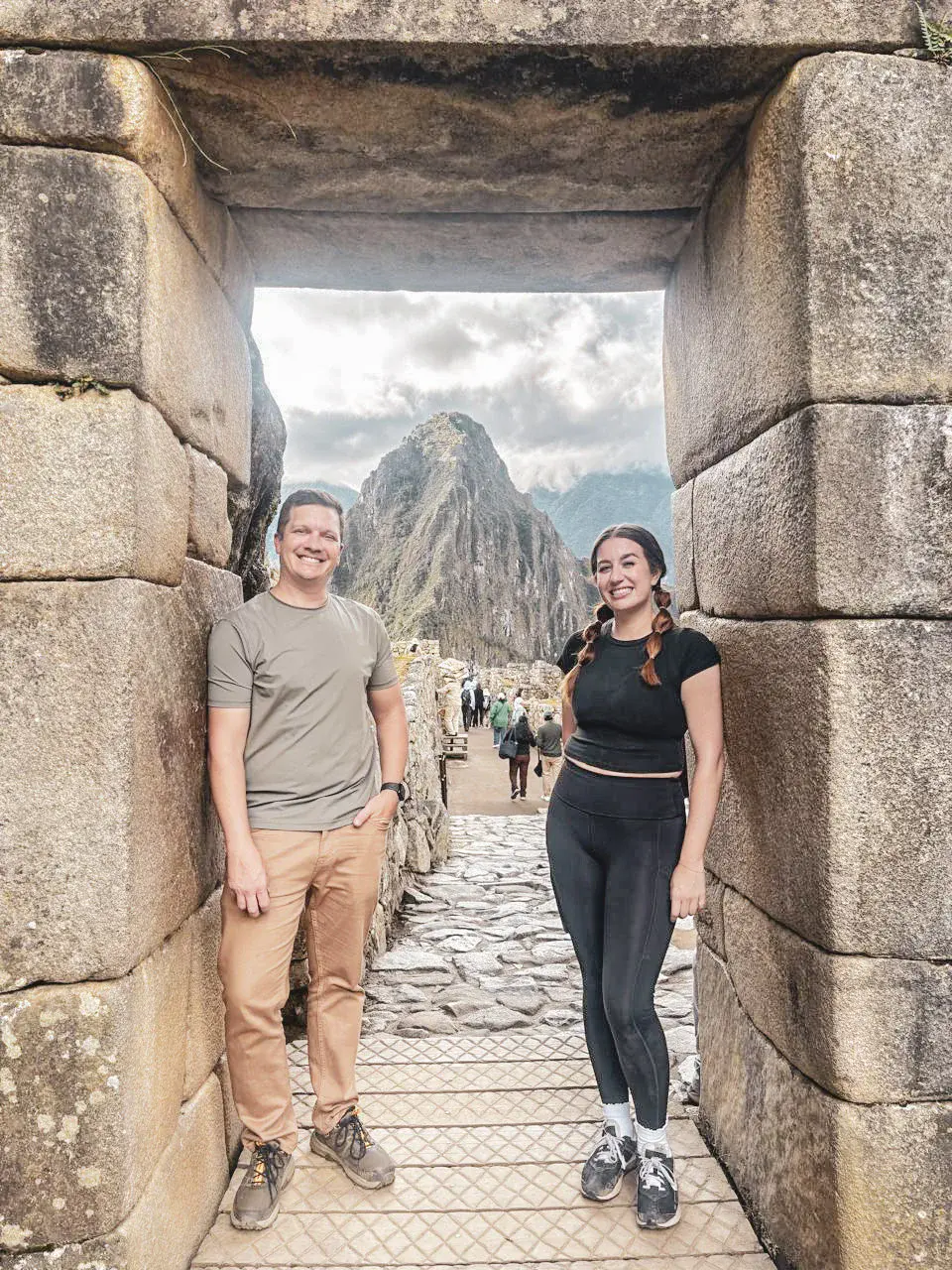
Machu Picchu Day Tour from Cusco
Visit Machu Picchu in one day from Cusco by train, with entry ticket, shuttle bus and a bilingual guide coordinated by a local team.
Frequently asked questions
Quick answers
Is Cusco safe for tourists?
Yes, Cusco is generally safe for tourists. The main risks are petty theft in crowded places, unlicensed taxis at night, altitude sickness and occasional strikes. Normal city precautions go a long way.
Is Cusco safe at night?
The historic center is busy and lit until late. Avoid walking alone on empty streets and long staircases late at night, and take a registered taxi or an app ride back to your hotel.
Is Cusco safe for solo female travelers?
Many women travel solo in Cusco without problems. Use the same precautions as in any city: registered taxis, watching your drink in bars and staying in central, well-reviewed accommodation.
Can you drink tap water in Cusco?
No. Drink bottled, boiled or filtered water. Most hotels offer refills, so a reusable bottle saves plastic.
Are strikes dangerous in Cusco?
Strikes are usually peaceful but can block roads and trains. They are normally announced in advance. Avoid demonstrations and follow your tour operator's advice.
What is the emergency number in Peru?
105 for the police, 106 for an ambulance (SAMU) and 116 for the fire brigade. Cusco also has a tourist police office in the historic center.