
Inca Trail vs Salkantay Trek
Inca Trail or Salkantay? Compare difficulty, altitude, distance, permits, scenery, crowds, camps and the arrival at Machu Picchu, from a Cusco operator.
 By J. José Rodríguez, Founder / CEO
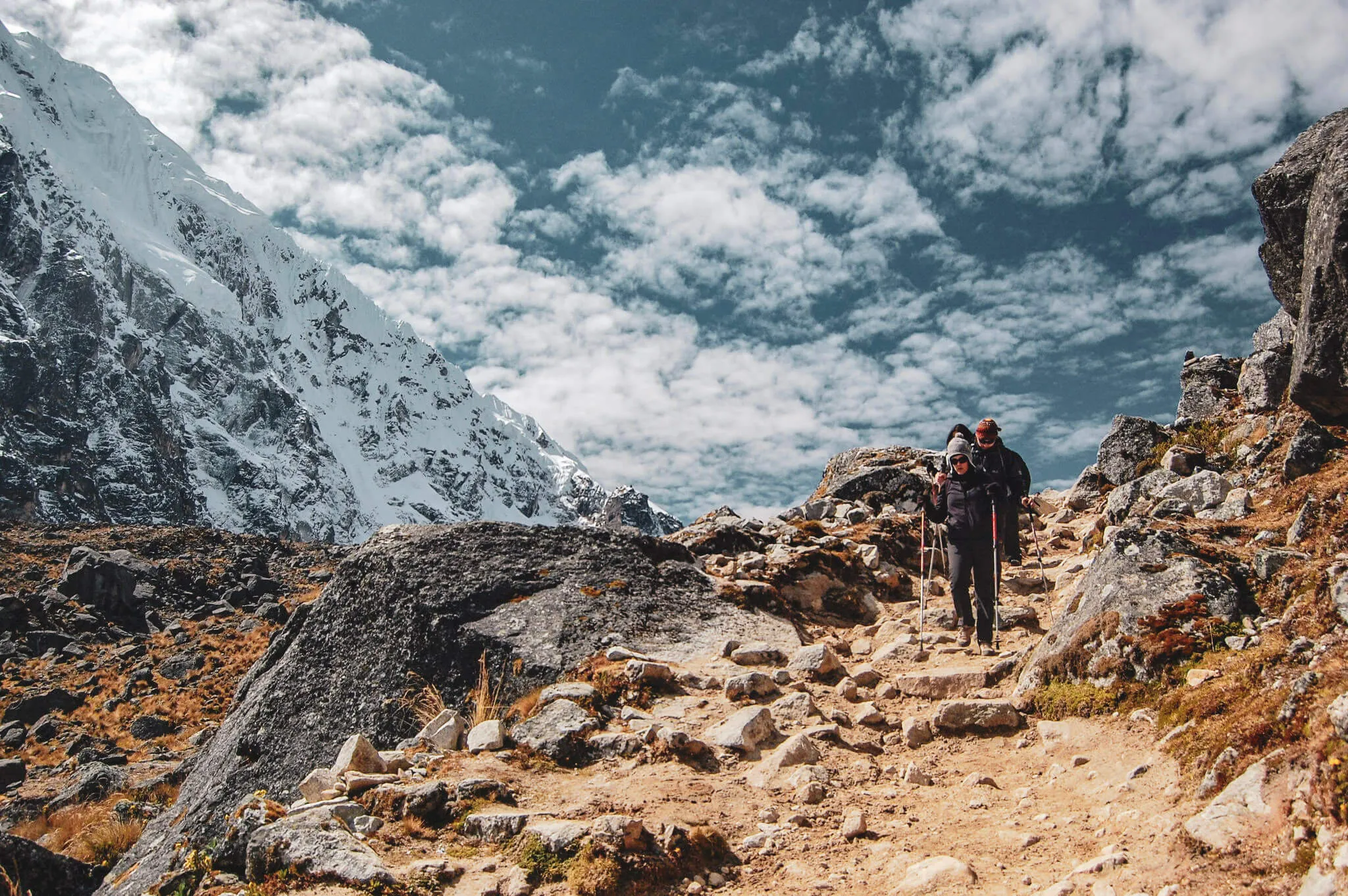
The Inca Trail and the Salkantay Trek are the two best-known hikes to Machu Picchu, and they are very different. The Inca Trail is about history: an original Inca road with ruins you can only reach on foot, ending at the Sun Gate. Salkantay is about mountains: a glacier pass at 4,630 m, Humantay Lake and a descent into cloud forest and coffee farms, with no permit needed. This guide, from our team in Cusco, compares them side by side so you can choose.
Inca Trail vs Salkantay at a glance
| Classic Inca Trail | Salkantay Trek | |
|---|---|---|
| Duration | 4 days / 3 nights | 5 days / 4 nights (4-day option) |
| Distance | About 40 km (25 miles) | About 70 km (43 miles) |
| Highest point | 4,215 m (Dead Woman’s Pass) | 4,630 m (Salkantay Pass) |
| Difficulty | Challenging | Challenging, and longer |
| Permit | Yes, personal and limited | No |
| Book ahead | 6–8 months for May to August | A few weeks is usually enough |
| February | Closed | Open |
| Scenery | Inca sites, cloud forest, Sun Gate | Glaciers, Humantay Lake, cloud forest, coffee farms |
| Who carries the gear | Porters | Horses |
| Nights | Camps | Camps or lodges, last night in a hotel in Aguas Calientes |
| Arrival at Machu Picchu | On foot through the Sun Gate | By bus or on foot from Aguas Calientes |
Compare all our treks in best treks to Machu Picchu.
Difficulty
Salkantay is harder for most hikers. It is almost twice as long, the pass is about 400 m higher, and the first two days are spent above 3,800 m. The long day over the Salkantay Pass is the toughest of either trek.
The Inca Trail is shorter but steeper underfoot. Day 2 climbs to Dead Woman’s Pass, and the trail has thousands of Inca stone steps, which are hard on the knees on the way down. Read more in how hard is the Inca Trail.
For both, spend at least two days in Cusco before starting. See our altitude guide.
Scenery and highlights
Inca Trail:
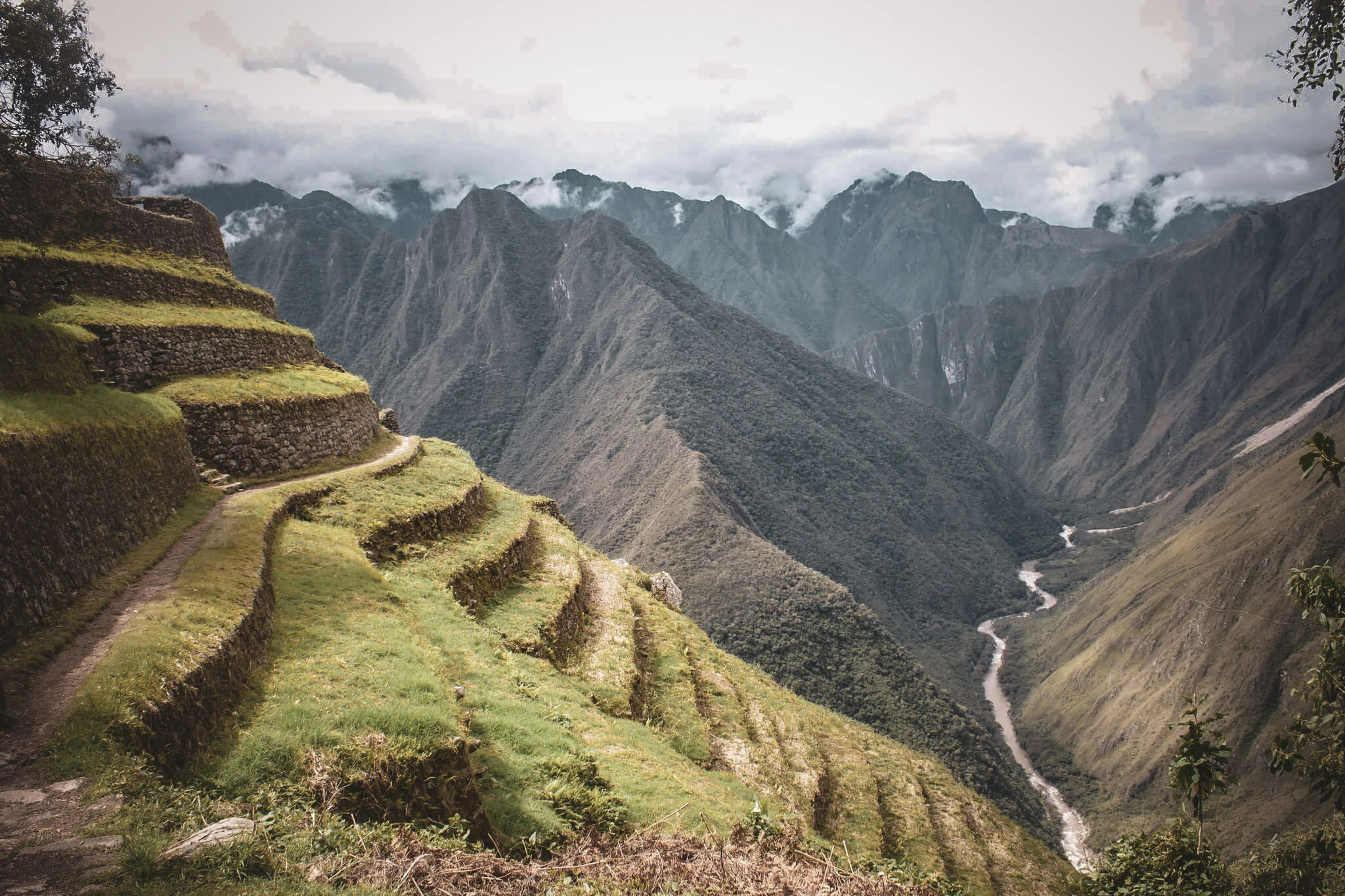
- Inca sites you can only reach on foot: Runkurakay, Sayacmarca, Phuyupatamarca and Wiñay Wayna.
- Original Inca paving and stairways through cloud forest full of orchids.
- The arrival at the Sun Gate (Inti Punku), with Machu Picchu below you.
Salkantay:
- Humantay Lake, a turquoise glacier lake, on the first day.
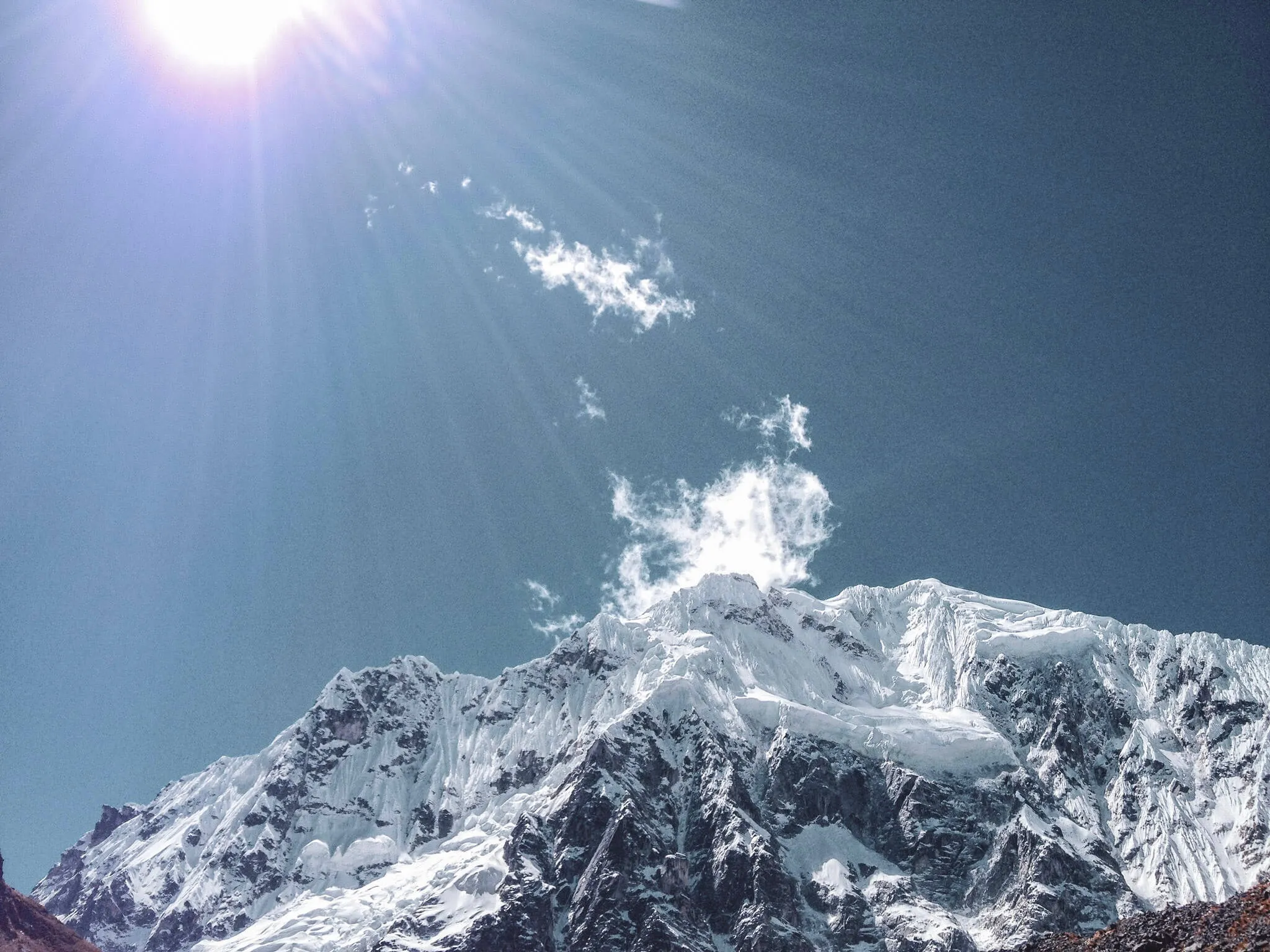
- The Salkantay Pass below the 6,271 m snow peak of Salkantay.
- A dramatic descent from glaciers to cloud forest, waterfalls and coffee farms.
- A distant view of Machu Picchu from the Llactapata ruins.
Permits and booking
The Classic Inca Trail needs a personal permit with your passport details, sold only through licensed operators. Permits are limited every day, and for May to August they usually sell out 6–8 months ahead. Check live availability on our Inca Trail permits page.
Salkantay needs no permit. You can book a few weeks ahead, and often at shorter notice, which makes it the usual choice when Inca Trail dates are sold out.
Crowds and camps
The Inca Trail has a fixed daily limit, so it never gets overcrowded, but every group follows the same route and uses the same official campsites. Porters carry the tents, food and kitchen.
On Salkantay, horses carry the camping gear, and groups use camps or simple lodges along the way. Numbers vary more with the season, and campsites are more spread out. The last night is in a hotel in Aguas Calientes, with a hot shower before your Machu Picchu visit.
Best time to go
- Inca Trail: April to October for drier trails; closed in February. May and September are among the best months.
- Salkantay: May to September for clear views of the pass. It runs all year, including February, but the pass can be snowy and the trail muddy in the rainy season.
See every month in best time to visit Machu Picchu.
Which should you choose?
Choose the Inca Trail if you want archaeology along the way, the classic arrival through the Sun Gate, and you can book months ahead.
Choose Salkantay if you love big mountain scenery, want flexible dates without a permit, are traveling in February, or the Inca Trail is sold out.
Want both? The Salkantay & Short Inca Trail spends three days on Salkantay and finishes on the last section of the Inca Trail through the Sun Gate. It needs a Short Inca Trail permit and does not run in February.
See the tours: Classic Inca Trail 4 Days and Salkantay Trek.
Tours
Plan this with a local team

Inca Trail · permit required
Classic Inca Trail
Hike the Classic Inca Trail to Machu Picchu with a local Cusco operator. Permit, Machu Picchu ticket, porters, meals and Vistadome return included.
Andean trek
Salkantay Trek
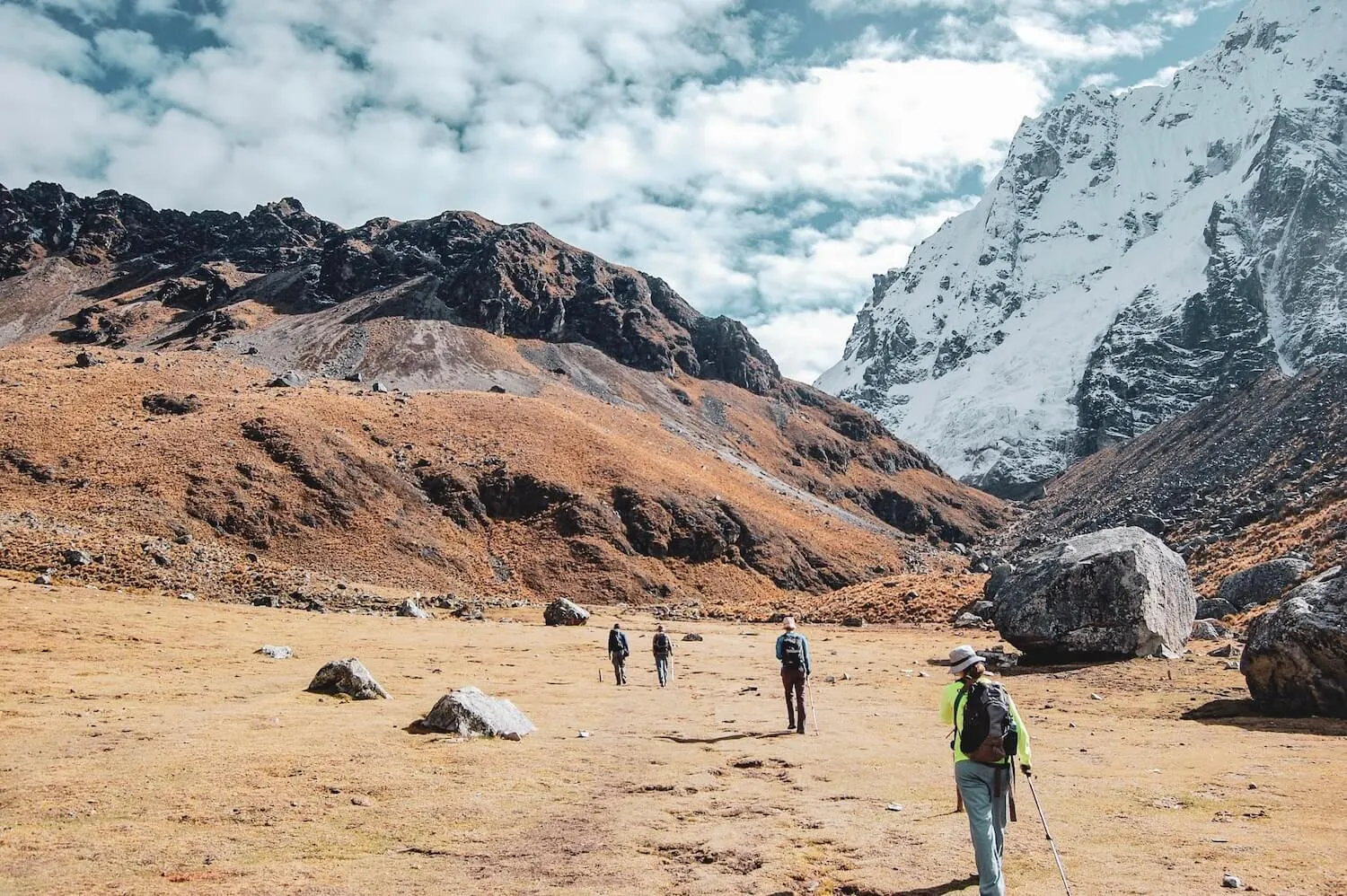
Cross the 4,630 m Salkantay Pass, turquoise Humantay Lake and cloud forest to Machu Picchu. Camps, meals, train and Machu Picchu ticket included.
Andean trek
Salkantay & Short Inca Trail
Combine the Salkantay Pass with the last section of the Inca Trail and enter Machu Picchu through the Sun Gate. Permits and tickets included.
Frequently asked questions
Quick answers
Which is harder, the Inca Trail or Salkantay?
Salkantay is harder for most people: it is longer (about 70 km vs. 40 km) and climbs higher (4,630 m vs. 4,215 m). The Inca Trail has more stone steps, especially on the descents.
Which is better, the Inca Trail or Salkantay?
Choose the Inca Trail for Inca sites along the way and the arrival through the Sun Gate. Choose Salkantay for glaciers, Humantay Lake and flexible dates without a permit.
Do I need a permit for the Salkantay trek?
No. Salkantay needs no permit, so you can book it at short notice. The Classic Inca Trail needs a personal permit sold only through licensed operators.
Is Salkantay open in February?
Yes. Salkantay runs all year, including February, when the Inca Trail is closed for maintenance.
Do you arrive at Machu Picchu on foot on the Salkantay trek?
No. Salkantay ends in Aguas Calientes, and you visit Machu Picchu the next morning by bus or on foot from the town. The Inca Trail arrives at the citadel through the Sun Gate.
Can I do both?
Yes. The Salkantay & Short Inca Trail combines three days on Salkantay with the last section of the Inca Trail, arriving through the Sun Gate. It needs a Short Inca Trail permit and does not run in February.