
The Best Time to Visit Machu Picchu, Month by Month
When to visit Machu Picchu: dry and rainy seasons, crowds, the Inca Trail's February closure, and the best months for treks and photos.
 By J. José Rodríguez, Founder / CEO
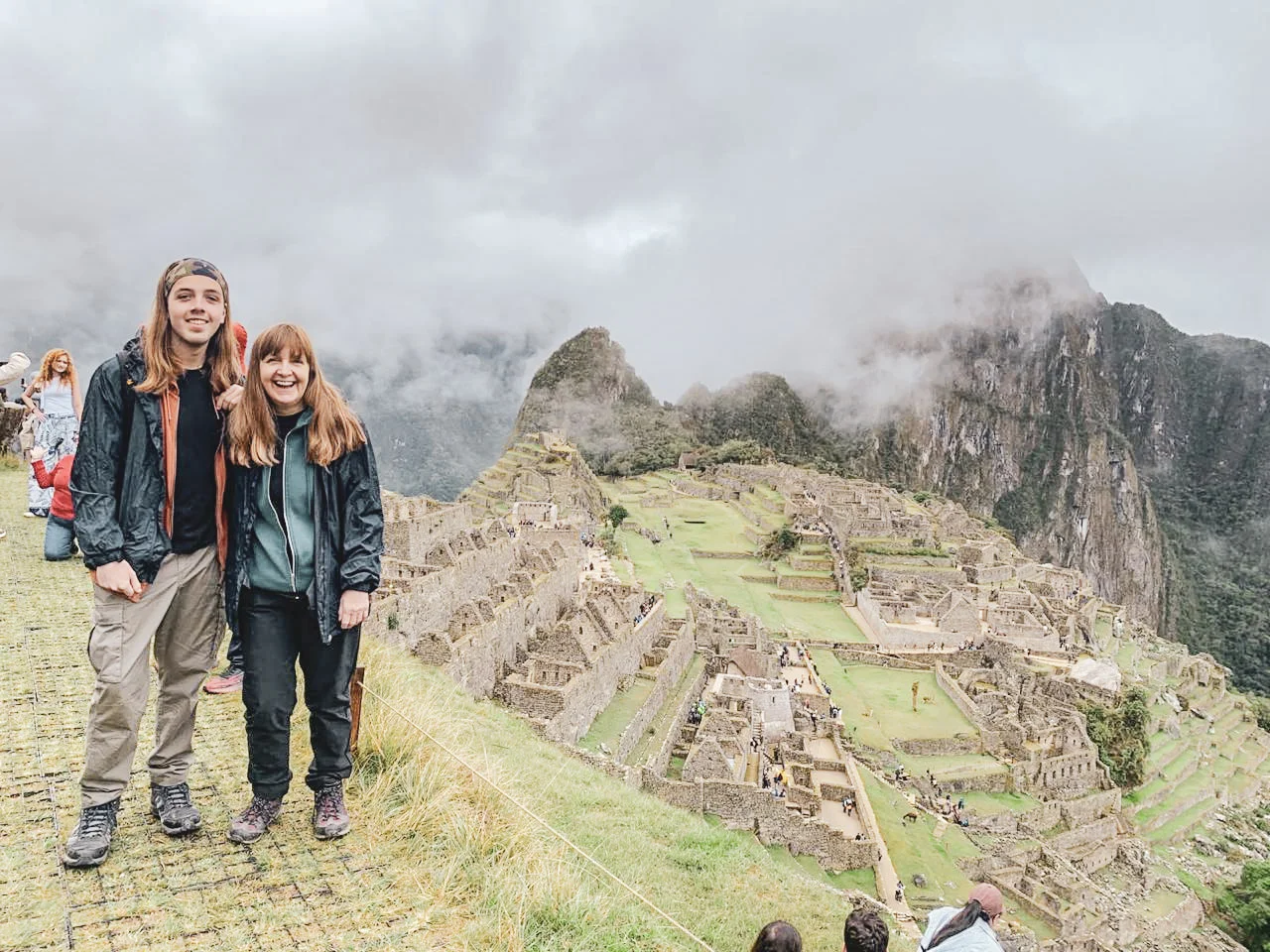
The best months to visit Machu Picchu are April, May, September and October: dry weather with fewer crowds than mid-year. June to August is the driest and busiest season, and November to March brings rain and greener landscapes. Machu Picchu is open all year, but the Inca Trail closes every February.
Dry season vs. rainy season
- Dry season (April to October): sunny days, cold nights and clear views. Peak demand from June to August, when tickets and Inca Trail permits sell out early.
- Rainy season (November to March): showers most afternoons, mist and very green mountains, with fewer visitors. January to March are the wettest months.
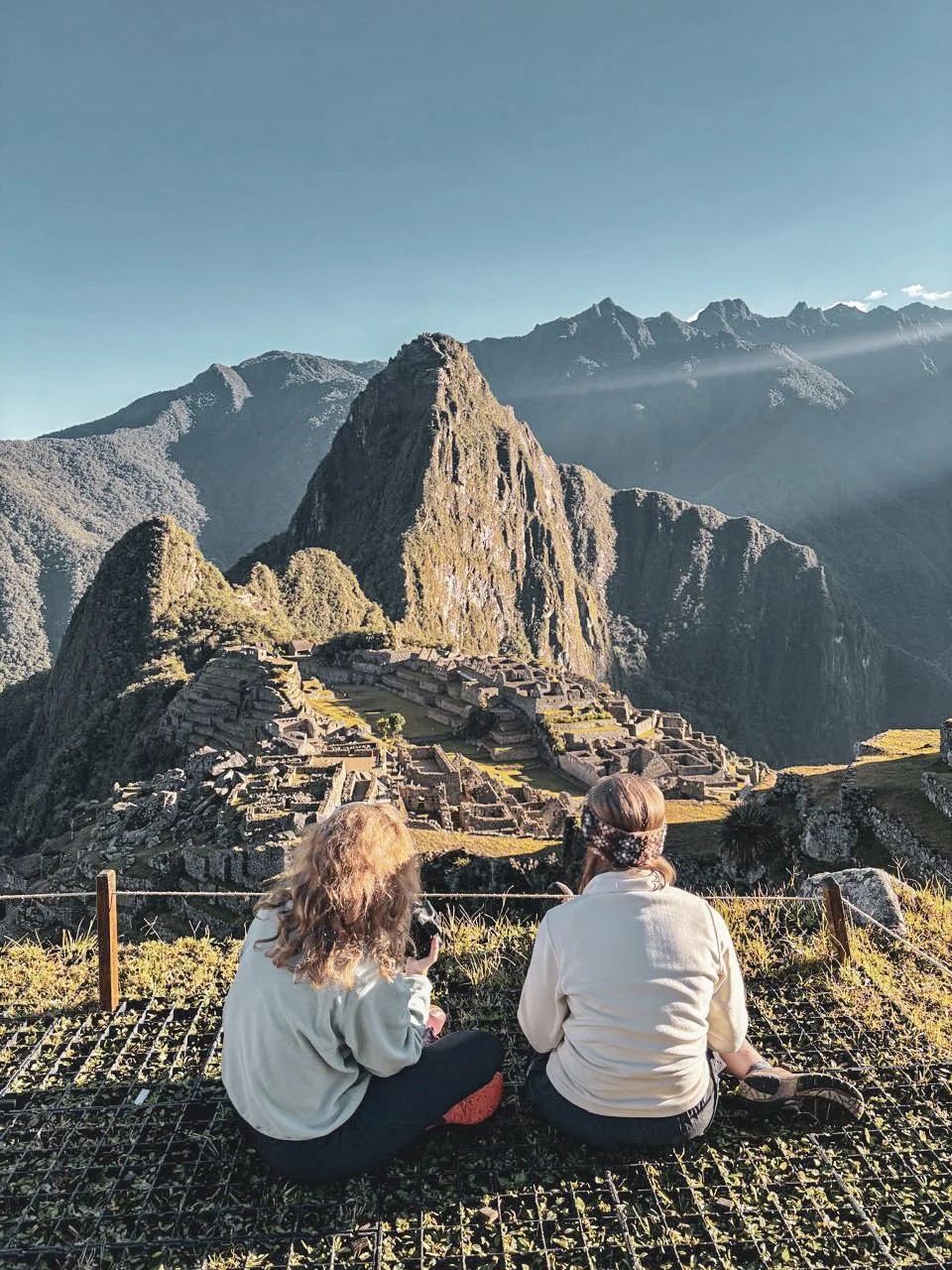
Machu Picchu vs. Cusco weather
Most trips combine both places, and they feel very different.
| Machu Picchu (2,430 m) | Cusco (3,400 m) | |
|---|---|---|
| Average highs | 21–23 °C all year | 20–22 °C all year |
| Average lows, dry season | About 9–11 °C | About 1–4 °C, with frosty nights |
| Average lows, rainy season | About 12 °C | About 8 °C |
| Feel | Humid cloud forest, strong sun | Dry mountain air, cold mornings |
Pack for both: layers for Cusco nights, light clothes and rain gear for Machu Picchu.
Rainfall by month
1991–2020 averages: Machu Picchu from Peru’s weather service (SENAMHI) climate normals; Cusco from the airport station (WMO normals, NOAA). Temperatures change little through the year; what changes is the rain. Machu Picchu, in the cloud forest, gets more than twice as much rain as Cusco, even in the dry season.
| Month | Rain at Machu Picchu | Rain in Cusco |
|---|---|---|
| January | 340 mm | 153 mm |
| February | 325 mm | 132 mm |
| March | 340 mm | 106 mm |
| April | 185 mm | 38 mm |
| May | 75 mm | 7 mm |
| June | 50 mm | 3 mm |
| July | 55 mm | 6 mm |
| August | 60 mm | 7 mm |
| September | 75 mm | 18 mm |
| October | 165 mm | 55 mm |
| November | 170 mm | 77 mm |
| December | 275 mm | 125 mm |
Average highs at Machu Picchu are about 21–23 °C all year. Nights are coolest in June and July, around 9–10 °C, and mildest in the rainy season, around 12 °C.
Cusco and the high treks are much colder: nights often drop below freezing from May to August.
Month by month
| Month | Weather | Crowds | Good to know |
|---|---|---|---|
| January | Rainy | Medium | Wettest period; treks are muddy |
| February | Very rainy | Low | Inca Trail closed; Machu Picchu open |
| March | Rainy, easing | Low | Inca Trail reopens; very green |
| April | Mostly dry | Medium | One of the best months |
| May | Dry | Medium–high | Excellent for treks and photos |
| June | Dry, cold nights | High | Inti Raymi festival in Cusco on June 24 |
| July | Dry, cold nights | Very high | Peru’s national holidays (July 28–29) add domestic travelers |
| August | Dry, windy | Very high | Book months ahead |
| September | Dry | Medium–high | Great balance of weather and crowds |
| October | Mostly dry | Medium | The first showers arrive |
| November | Showers | Medium | Good prices and availability |
| December | Rainy | Medium–high | Busy around Christmas and New Year |
April and May: the sweet spot
The rains end, the mountains are still green and the crowds of mid-year have not arrived. May in particular combines dry trails, clear mornings and good availability. These are our favorite months for both treks and train tours.
June to August: peak season
The driest, sunniest months, with cold nights in Cusco and on the treks. It is also when most travelers come, including school holidays in the Northern Hemisphere and Peru’s national holidays in late July. Book Machu Picchu tickets 4–8 weeks ahead and Inca Trail permits 6–8 months ahead.
September and October: a great balance
Still mostly dry, with warm days and slightly fewer people than August. The first showers usually appear in October, often in the afternoon.
November to March: the green season
Short heavy showers, misty mornings and the greenest landscape of the year, with fewer visitors and better availability. January to March are the wettest months; landslides can occasionally affect the railway or trails. The Inca Trail closes in February, but Machu Picchu, the train tours and the alternative treks stay open.
Each month in detail
January: one of the wettest months, with showers most days and mist in the mornings. Treks are muddy, but the train tours run as usual and Machu Picchu is green and quiet outside the New Year week.
February: one of the wettest months and the quietest at Machu Picchu. The Inca Trail closes for maintenance, so choose a train tour or the Salkantay trek. Landslides can occasionally delay trains.
March: the rain starts to ease toward the end of the month and the Inca Trail reopens on March 1. Landscapes are at their greenest and tickets are easy to get.
April: the dry season begins. Mornings can still be misty, but afternoons are often clear. Easter can be busy, so book that week early.
May: one of our favorite months: dry, sunny, still green and less crowded than June. Excellent for every trek and for photos.
June: dry and sunny, with cold nights. Cusco is full of festivals, with Corpus Christi and Inti Raymi on June 24, so book hotels early.
July: the busiest month, with Northern Hemisphere holidays and Peru’s national holidays (July 28–29). Clear skies almost every day; book everything well ahead.
August: still dry and sunny, often windy, and very busy. Inca Trail permits for August are among the first to sell out.
September: dry and warm, with slightly fewer people than August. A great month for the Inca Trail and Salkantay.
October: mostly dry, with the first afternoon showers late in the month. Good availability and pleasant temperatures.
November: the green season starts with short showers, often in the afternoon. Good prices and space on trains and treks.
December: rainier, with mist and green mountains. Quiet early in the month, then busy around Christmas and New Year.
Is the rainy season worth it?
| Pros | Cons |
|---|---|
| Fewer visitors and easier tickets | Showers almost every day |
| The greenest landscapes and dramatic clouds | Morning mist can hide the view for a while |
| Better availability for trains, hotels and Huayna Picchu | Muddy and slippery trails on treks |
| Lower demand outside the holidays | Inca Trail closed in February; occasional landslides |
For a train visit, the rainy season is a good choice if you have a flexible day and good rain gear. For a trek, the dry season is much more comfortable.
Best time of day
- First entry (6–7 am): soft light and fewer people, but in the rainy season the citadel often starts in mist that clears by mid-morning.
- Mid-morning (9–11 am): the busiest time, when day trips from Cusco arrive.
- Early afternoon (12–2 pm): many groups leave, the light is strong and the views are usually clear.
Sunrise at Machu Picchu is between about 5:30 and 6:20 am through the year, but the sun only reaches the citadel later, once it clears the surrounding mountains.
How far ahead to book, by season
| Season | Machu Picchu ticket | Huayna Picchu or Mountain | Inca Trail permit |
|---|---|---|---|
| June to August | 4–8 weeks | 2–4 months | 6–8 months |
| April, May, September, October | 3–6 weeks | 1–2 months | 4–6 months |
| November to March | 1–3 weeks | 2–4 weeks | 1–3 months (closed in February) |
These are our team’s guidelines for a good choice of times; availability changes every year. Check live permit spaces in Inca Trail permits and the rules in Machu Picchu tickets.
Festivals worth planning around
- Inti Raymi (June 24): the Inca festival of the sun, re-enacted at Sacsayhuamán in Cusco. Hotels fill up weeks ahead.
- Corpus Christi (May or June): colorful processions in Cusco with saints carried from every parish.
- Peru’s national holidays (July 28–29): many Peruvians travel, so book early.
- Easter, Christmas and New Year: busy in Cusco and at Machu Picchu.
Best time for each trip
- Inca Trail: May or September, and avoid February. See our Classic Inca Trail.
- Salkantay, Ausangate, Rainbow Mountain: May to September; nights are below freezing. See the Salkantay Trek.
- Train tours: any month, with the earliest entry for the clearest mornings in the dry season. See Sacred Valley & Machu Picchu 2 Days.
- Photos: April, May and September give clear skies and green terraces.
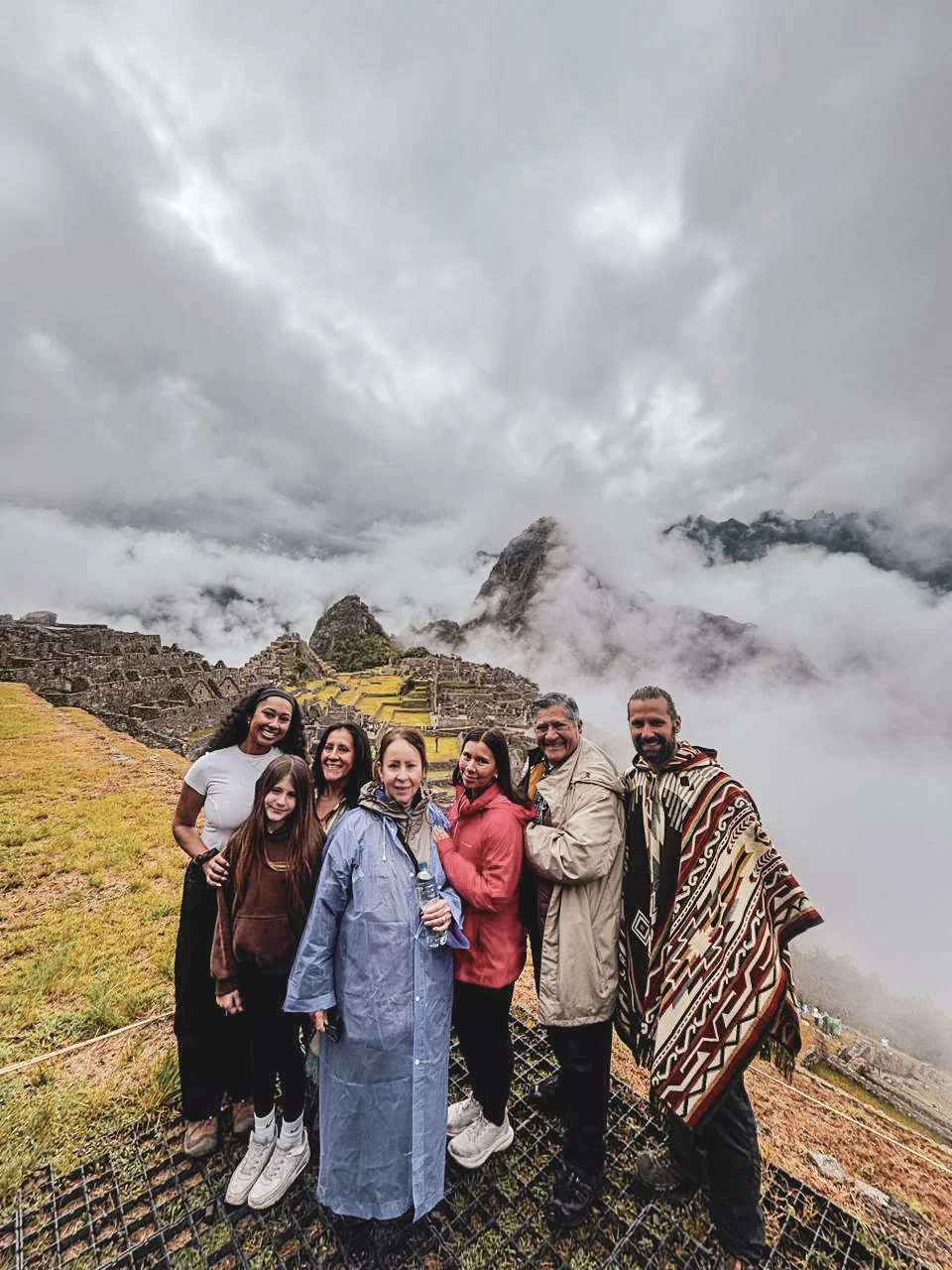
How to avoid the crowds
- Choose an early entry slot, or the early afternoon when the morning groups leave.
- Stay a night in Aguas Calientes so you are not tied to the day-trip train times.
- Travel in April, May, September, October or November rather than July and August.
What to pack by season
- Dry season: layers for cold mornings and nights, sun hat, sunscreen and sunglasses.
- Rainy season: a good rain jacket or poncho, quick-dry clothes and shoes with grip.
- All year: insect repellent, a refillable water bottle and your passport.
Machu Picchu weather
Machu Picchu sits in the cloud forest at 2,430 m, so it is warmer and more humid than Cusco. Days are usually mild and mornings often start with mist that clears by mid-morning. Read more about Machu Picchu altitude.
Cusco month by month
Most trips start in Cusco, which is colder and higher than Machu Picchu. See the weather, festivals and open treks for each month: January · February · March · April · May · June · July · August · September · October · November · December.
Tours
Plan this with a local team

Inca Trail · permit required
Classic Inca Trail
Hike the Classic Inca Trail to Machu Picchu with a local Cusco operator. Permit, Machu Picchu ticket, porters, meals and Vistadome return included.
Andean trek
Salkantay Trek
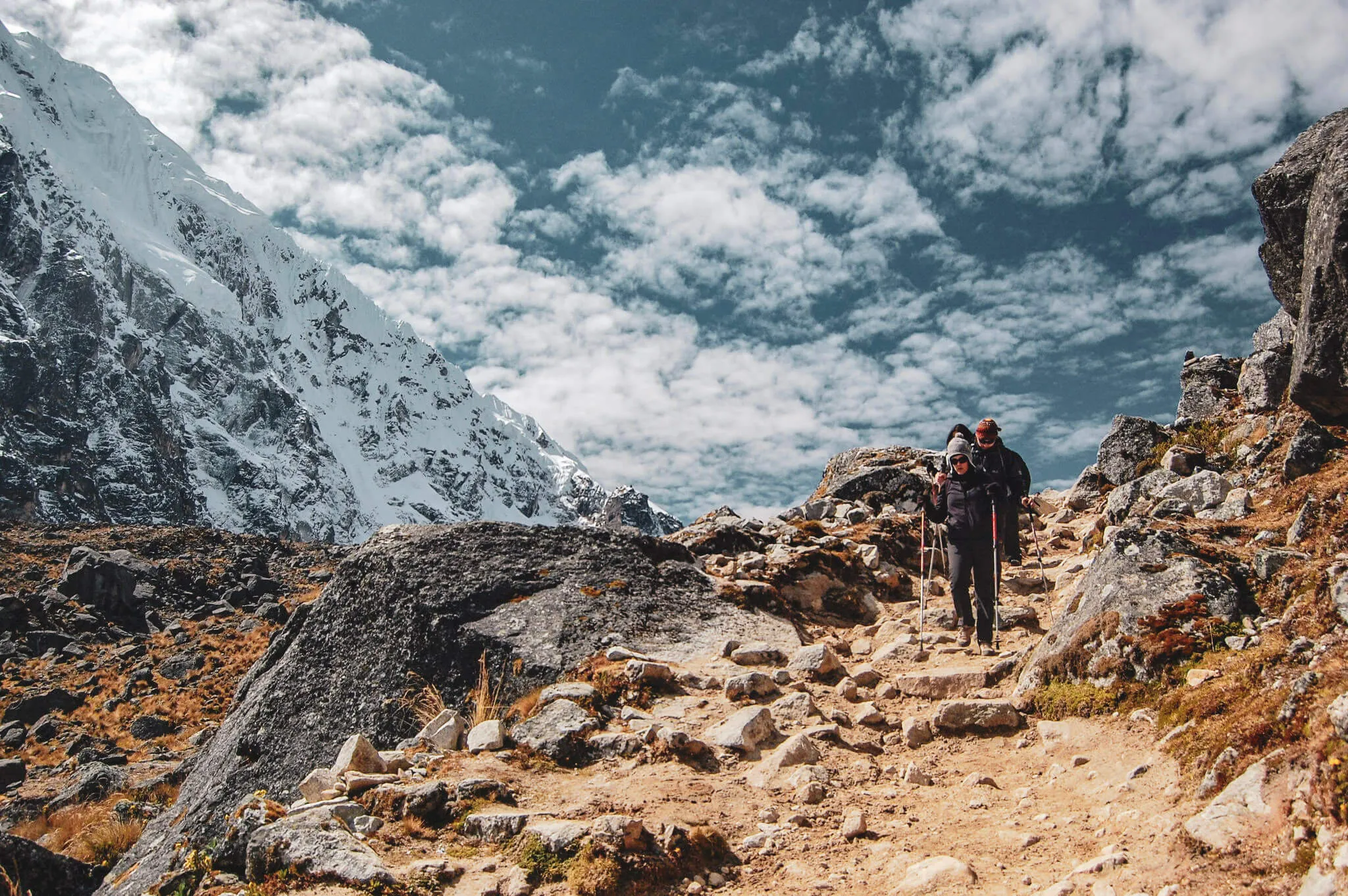
Cross the 4,630 m Salkantay Pass, turquoise Humantay Lake and cloud forest to Machu Picchu. Camps, meals, train and Machu Picchu ticket included.

Machu Picchu journey
Sacred Valley & Machu Picchu
Choose the Sacred Valley route via Pisac or Chinchero, then visit Machu Picchu. Train, hotel, buffet lunch, all tickets and guide included.
Frequently asked questions
Quick answers
Is it worth visiting in the rainy season?
Yes. Rain usually comes in showers, the landscape is at its greenest and there are fewer people. Bring good rain gear.
What is the worst month?
February, for the heavy rain and the Inca Trail closure, although Machu Picchu itself stays open.
When are there fewest crowds?
February, March and November, and early mornings or afternoons on any day.
What is the best time of day to visit?
The first entry slots for soft light and fewer people, or the early afternoon, when the morning groups have left. In the rainy season, mornings are often misty and clear later.
What is the weather like at Machu Picchu?
Mild and humid all year, with average highs of about 21–23 °C. The difference between seasons is the rain: driest from May to September, with April and October as transition months and the rainy season from November to March.
Is it colder in Cusco than at Machu Picchu?
Yes. Cusco is about 1,000 m higher, so nights there are much colder, often near or below freezing from May to August.
How far ahead should I book for July or August?
Machu Picchu tickets 4–8 weeks ahead, Huayna Picchu 2–4 months ahead and Inca Trail permits 6–8 months ahead.
Is Machu Picchu open all year?
Yes, every day of the year. Only the Inca Trail closes, during February.