
destinations
The History of Machu Picchu
The history of Machu Picchu: built by the Inca ruler Pachacútec in the 15th century, abandoned after the Spanish conquest and made famous in 1911.
Machu Picchu was built in the 15th century by the Incas, most likely as a royal estate for the ruler Pachacútec, the emperor who turned Cusco into the capital of an empire. It was used for less than a century, abandoned around the time of the Spanish conquest, never found by the Spanish, and made world-famous in 1911. Today it is Peru’s most visited site and one of the New Seven Wonders of the World.
Machu Picchu timeline
| Date | Event |
|---|---|
| About 1420–1450 | Construction begins under Pachacútec, as the Inca state expands from Cusco |
| 15th–16th century | Machu Picchu is used as a royal estate and religious center |
| 1530s | The Spanish arrive in Peru; the Inca state collapses in the following decades |
| 16th century | Machu Picchu is gradually abandoned and the forest covers it |
| 1911 | Hiram Bingham reaches the site with local guides and makes it known worldwide |
| 1981 | Peru creates the Historic Sanctuary of Machu Picchu |
| 1983 | UNESCO declares it a World Heritage Site |
| 2007 | It is voted one of the New Seven Wonders of the World |
| 2024 | Visits are organized into 3 circuits and 10 routes |
Who built Machu Picchu and why
In the 15th century the Incas grew from a regional power around Cusco into the largest empire in the Americas. Their ruler Pachacútec rebuilt Cusco and ordered royal estates in the Sacred Valley and beyond, where the emperor, his family and the nobility could rest, worship and host ceremonies. Machu Picchu is believed to be one of these estates: a retreat of palaces, temples and terraces, with a resident population of a few hundred people who served the royal household.
The site was chosen with care. It sits on a ridge between two sacred mountains, Machu Picchu and Huayna Picchu, above a bend of the Urubamba River, a sacred river for the Incas. Many of its buildings line up with the sunrise on the solstices and with the surrounding peaks, which shows how closely Inca architecture was tied to astronomy and religion.
How it was built
The Incas built Machu Picchu without iron tools, wheels or draft animals for heavy work. The finest temples use stones cut so precisely that they fit together without mortar, while ordinary buildings use rougher stones set in clay. Underneath the visible ruins lies just as impressive engineering: deep foundations, layered terraces filled with gravel and soil for drainage, and a system of stone channels that carried spring water through the city. This is why Machu Picchu has withstood centuries of heavy rain and earthquakes.
The main areas of the citadel
- The agricultural sector: the terraces on the southern slope, which grew crops and protected the hillside from erosion.
- The urban sector: temples, plazas, royal residences, workshops and houses, divided into an upper and a lower part.
- The Temple of the Sun: a curved tower built over a rock, thought to be used for solar observations.
- The Temple of the Three Windows and the Main Temple: part of the Sacred Plaza, with some of the finest stonework on the site.
- The Intihuatana: a carved stone on a high point, often linked to astronomy.
- The Temple of the Condor: rock and stone shaped to suggest a condor with open wings.
Which of these you see depends on your circuit and route. Read our guide to Machu Picchu circuits.
Abandonment
Machu Picchu was abandoned in the 16th century, around the time the Spanish conquered the Inca Empire. Historians connect this with the collapse of the Inca state, the civil war that preceded the conquest and the epidemics brought by the Europeans. Because the citadel was remote and of no use to the new colonial economy, the Spanish never found it, and it was slowly covered by the forest. This is one reason it is so well preserved.
How Machu Picchu became famous
Farmers in the valley always knew about the ruins, and some families even cultivated the old terraces. In 1911 Hiram Bingham, a lecturer from Yale University searching for the last Inca capital, was guided to the site by local residents. His photographs, published soon after, made Machu Picchu famous around the world. Thousands of objects taken to Yale for study were returned to Peru in the 2010s and are now in Cusco.
Its name
“Machu Picchu” means “old mountain” in Quechua, the name of the peak above the citadel. A 2021 study of historical documents suggested that the Incas may actually have called the site Huayna Picchu, after the younger mountain beside it, but the modern name has stuck.
Seeing the history for yourself
A licensed guide brings this history to life on site, explaining the temples, the stonework and the astronomy as you walk. Every one of our tours includes one; read do you need a guide for Machu Picchu?, or hike the Classic Inca Trail to arrive the way the Incas did.
Tours to link
Plan this with a local team
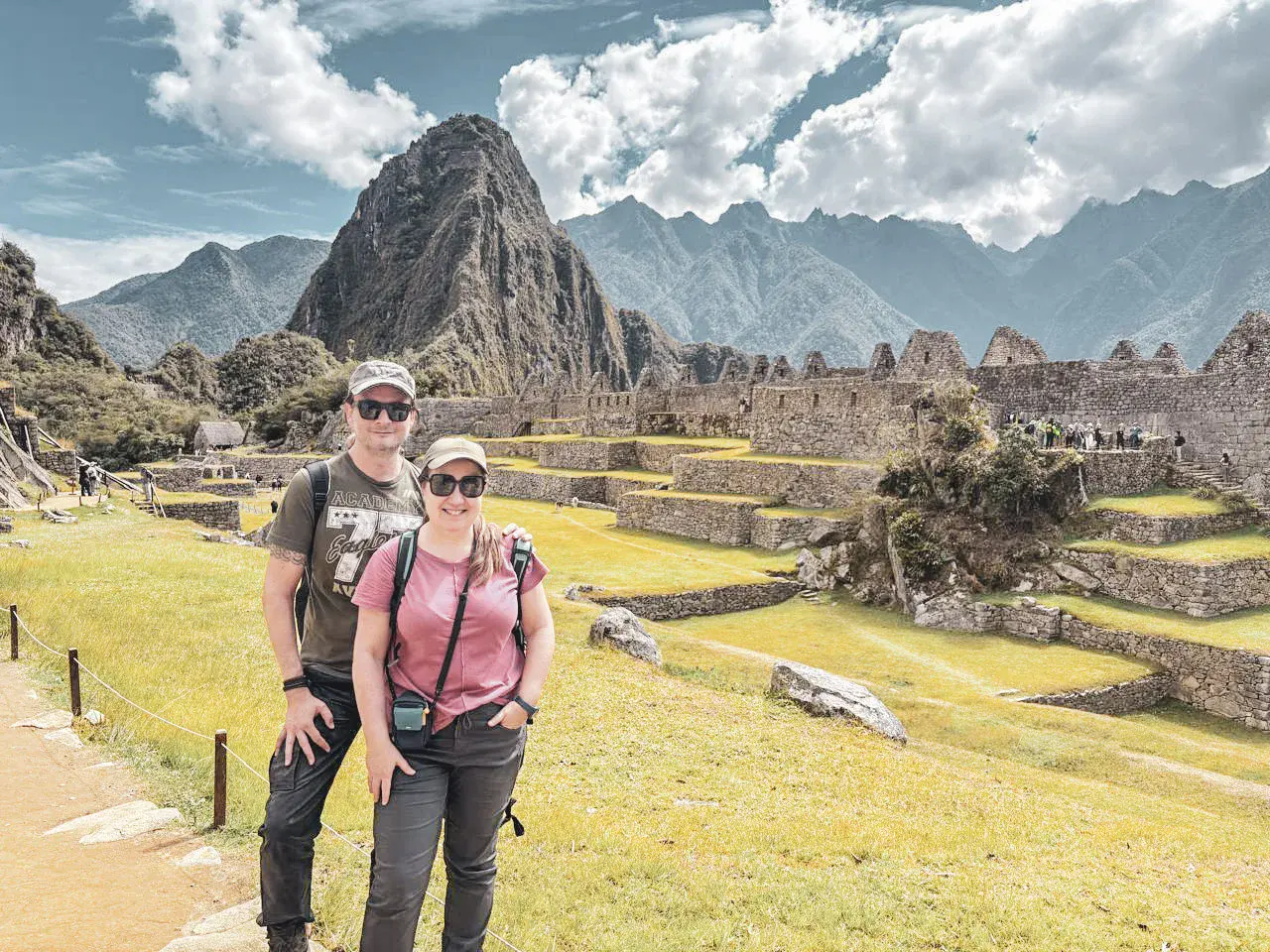
Machu Picchu journey
Machu Picchu Tour Guide
Hire a licensed Machu Picchu tour guide: shared or private, guide only or with your entry ticket and bus. Book with a local Cusco operator.
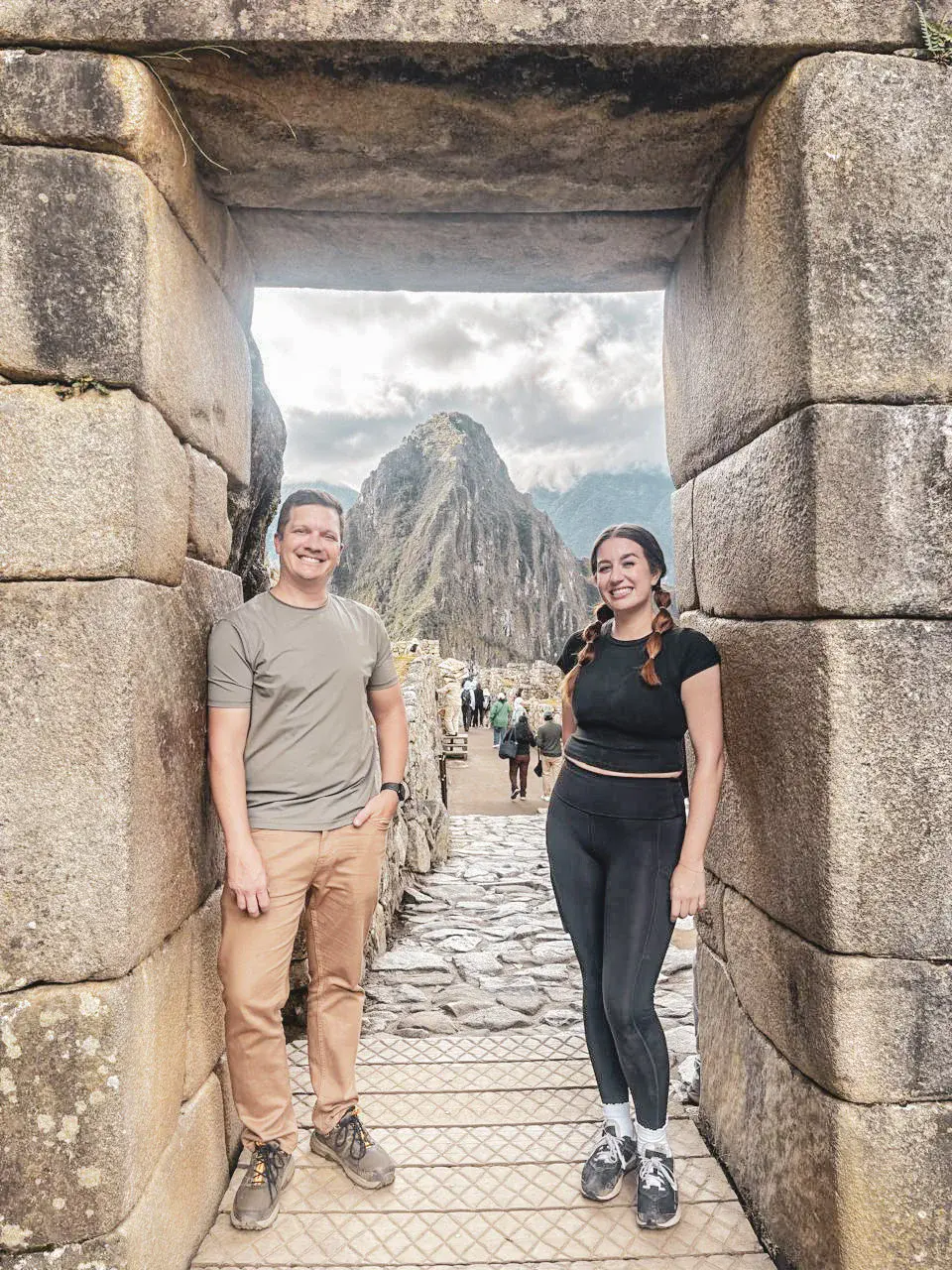
Private train tour
Machu Picchu Day Tour from Cusco
See Machu Picchu in one day from Cusco with private transport and guide, train, shuttle bus and entrance ticket included. Ask our local team for a quote.

Inca Trail · permit required
Classic Inca Trail
Hike the Classic Inca Trail to Machu Picchu with a local Cusco operator. Permit, Machu Picchu entry, porters, meals and an Expedition return train are included.
Frequently asked questions
Quick answers
Who built Machu Picchu?
The Incas, most likely under the ruler Pachacútec, in the 15th century.
Why was Machu Picchu abandoned?
It was left around the time of the Spanish conquest in the 16th century. Historians link its abandonment to the collapse of the Inca state, war and the epidemics that came with the Europeans.
Did the Spanish find Machu Picchu?
No. The Spanish never reached it, which is one reason it survived in such good condition.
Who discovered Machu Picchu?
Local farmers always knew about it. The American explorer Hiram Bingham made it famous in 1911, after local residents guided him to the ruins.
How old is Machu Picchu?
It dates from the 15th century. Recent radiocarbon studies suggest it was in use from around 1420, a little earlier than once thought.